Open Forum: Strong protest against unilateral street closure decision for SF Chinatown night market without merchant consultation
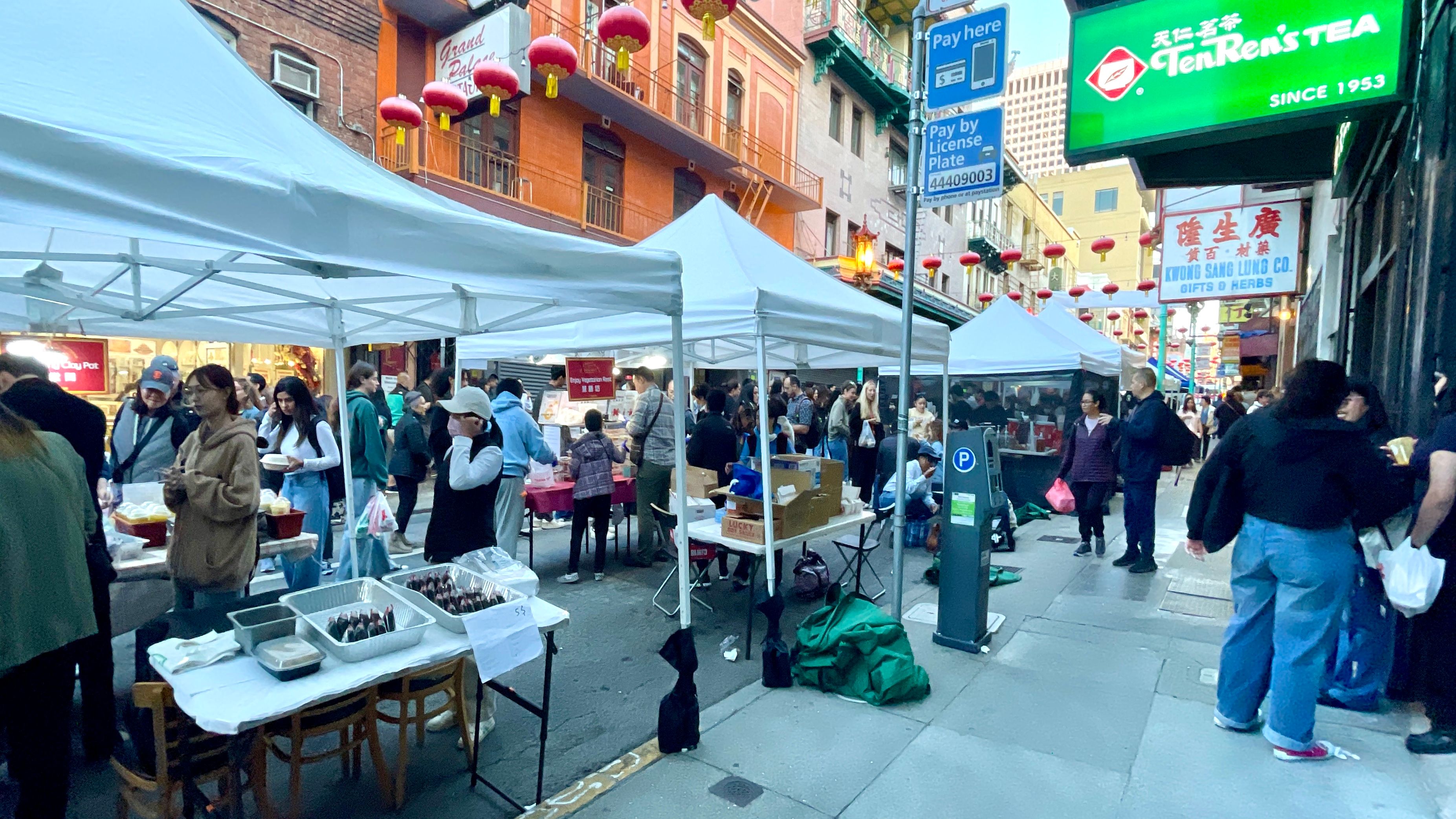
On behalf of the Chinatown and Sunset Merchants United Association in San Francisco, I am writing this open letter to express our strong protest and deep dissatisfaction regarding the planned street-closure event on Grant Avenue hosted by BeChinatown on February 4, Wednesday, which was publicly promoted and advanced without any public hearing, formal notice, or prior consultation with affected merchants and residents.
We strongly object to the manner in which this decision was made. Proceeding with a street closure that significantly impacts daily business operations, customer access, deliveries, and neighborhood activity—without engaging those who will bear the consequences—is unacceptable.
This approach reflects a unilateral, non-transparent, and top-down decision-making process that disregards the rights, voices, and livelihoods of Chinatown merchants.
Publicly promoting an event before proper review or consultation appears to be an attempt to pressure city departments into approving a predetermined outcome, rather than following an accountable and inclusive process.
Chinatown merchants are already facing substantial economic hardship. Any street closure further compounds these challenges. Therefore, we formally demand clear answers to the following:
1. Why was no public hearing or merchant consultation conducted prior to approving and promoting this street closure?
2. What justification exists for making a decision that directly affects merchants without their input?
3. Is there any compensation, mitigation, or financial relief plan for businesses that will suffer losses as a result of this closure?
4. What concrete and measurable benefits do such events provide to Chinatown merchants?
5. Why were merchants not properly informed or briefed before this decision was finalized and announced?
Our Association is extremely disappointed by this disregard for due process and community engagement. While we support well-planned community activities, we categorically oppose any actions that disrupt commerce and daily life without transparency, consultation, and accountability.
Chinatown merchants do not oppose events—we oppose being ignored.
Decisions that affect our neighborhood must not be made in isolation or imposed without consent.
We call on city departments and event organizers to immediately review this matter, engage in meaningful dialogue with affected stakeholders, and establish a formal consultation process for any future street closures or events.
Failure to do so risks further eroding trust and demonstrates a troubling disregard for the rights of Chinatown merchants.
This open letter serves as our formal and official protest.
_______________________________________________________________________
Ed Siu is the Founder and Chairman of both the Chinatown Merchants United Association of San Francisco and Sunset Merchants United Association of San Francisco. Both associations were established in 2020 and 2023 respectively with a mission to serve and support merchants in the neighborhoods.
- Voters in 5 counties of the San Francisco Bay Area to decide whether to raise the sales tax by 0.5% or 1% for 14 years to fund public transit
- Opinion: A voice for every community and the next generation of San Francisco
- Opinion: Let’s vote yes on 5-county Bay Area regional measure and San Francisco Prop H for clean, safe, and reliable public transit!
- California leads in dedicating September 25 as annual Dolly Parton Day in honor of the American icon’s legacy of love
- Governor launches new era of CalKIDS accounts working with federal to maximize free funds for all children in California
- 5 of 10 local measures in San Francisco authored by Mayor Lurie to amend City Charter and secure funds for SFMTA
- Opinion: Vote no on Prop H — small businesses cannot pay more
- Prop G gets a second chance for San Francisco voters to decide the fate of the Upper Great Highway in the November election