California bans all plastic carryout bags at retail stores starting January 1, 2026, only allows recycled paper bags to be distributed to customers

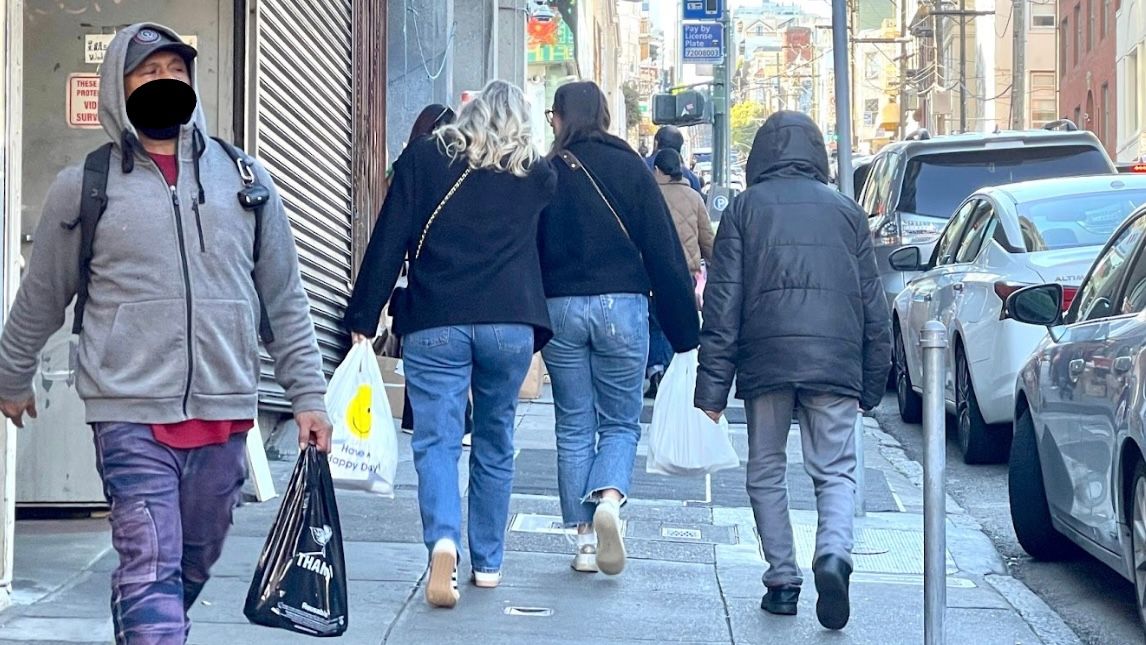
SAN FRANCISCO — Effective January 1, 2026, a new California law (Senate Bill 1053) will officially ban all single-use plastic carryout bags, including both thin and thick varieties, at retail stores. Under this legislation, stores may only distribute recycled paper bags to customers at the point of sale.
SB 1053 was aimed to replace and strengthen the first version of a similar law passed in 2014, SB 270 which banned the thin single-use plastic carryout bags and allowed the thicker plastic bags that were considered reusable.
Beginning on January 1, 2026, SB 1053 will place restrictions on the types of bags that may be distributed at the point of sale by most grocery stores and retail stores. The stores may only provide customers with recycled paper carryout bags for a minimum charge of 10 cents ($0.10) per bag at checkout, pickup and delivery.
There are exclusions in SB 1053 that the ban will not apply to the continued use of plastic bags before consumers check out their purchased items including non-handled bags to protect items from damaging or contaminating other purchased items when placed in recycled paper bags.
SB 1053 and an accompanying bill AB 2236 were co-introduced on February 8, 2024 by Senator Catherine Blakespear, D-Encinitas, Senator Ben Allen, D-Santa Monica, and Assemblymember Rebecca Bauer-Kahan, D-Orinda, with a goal to close loopholes to California's initial ban, SB 270, to ensure consumers are using either reusable tote bags or paper bags only, no plastic bags.
SB 1053 was passed in August 2024 and signed by Governor Gavin Newsom on September 22, 2024. It will become effective on January 1, 2026.
California is considered as a national leader on environmental protection including the ban on plastic carryout bags. When SB 270 was passed in 2014, California was the first state in the U.S. to ban the thin single-use plastic bags.
SB 270 was authored by then California Senator Alex Padilla who has served as U.S. Senator since 2021. SB 270 banned the thin single-use plastic bags and allowed the use of thicker plastic carryout bags that were deemed reusable if they met specified standards.
SB 270 was also introduced with an intent to incentivize California consumers to bring their own reusable bags for carrying out store purchases in reaching a goal of the reduction of plastic bag usage.
In November 2016, California voters approved Proposition 67 to uphold SB 270 that banned single-use carryout bags. As a result, most grocery stores, retail stores with pharmacies, convenience food stores, foodmarts, and liquor stores have no longer provided single-use, lightweight, plastic carryout bags to their customers at the point of sale.
However, for the past decade since SB 270 was implemented, those thicker plastic carryout bags were not generally reused by consumers and resulted in an increased amount of plastic and plastic waste, according to SB 1053.
“If you have been paying attention – if you read the news at all in recent years – you know we are choking our planet with plastic waste,” said Senator Blakespear when she announced the introduction of SB 1053 in 2024.
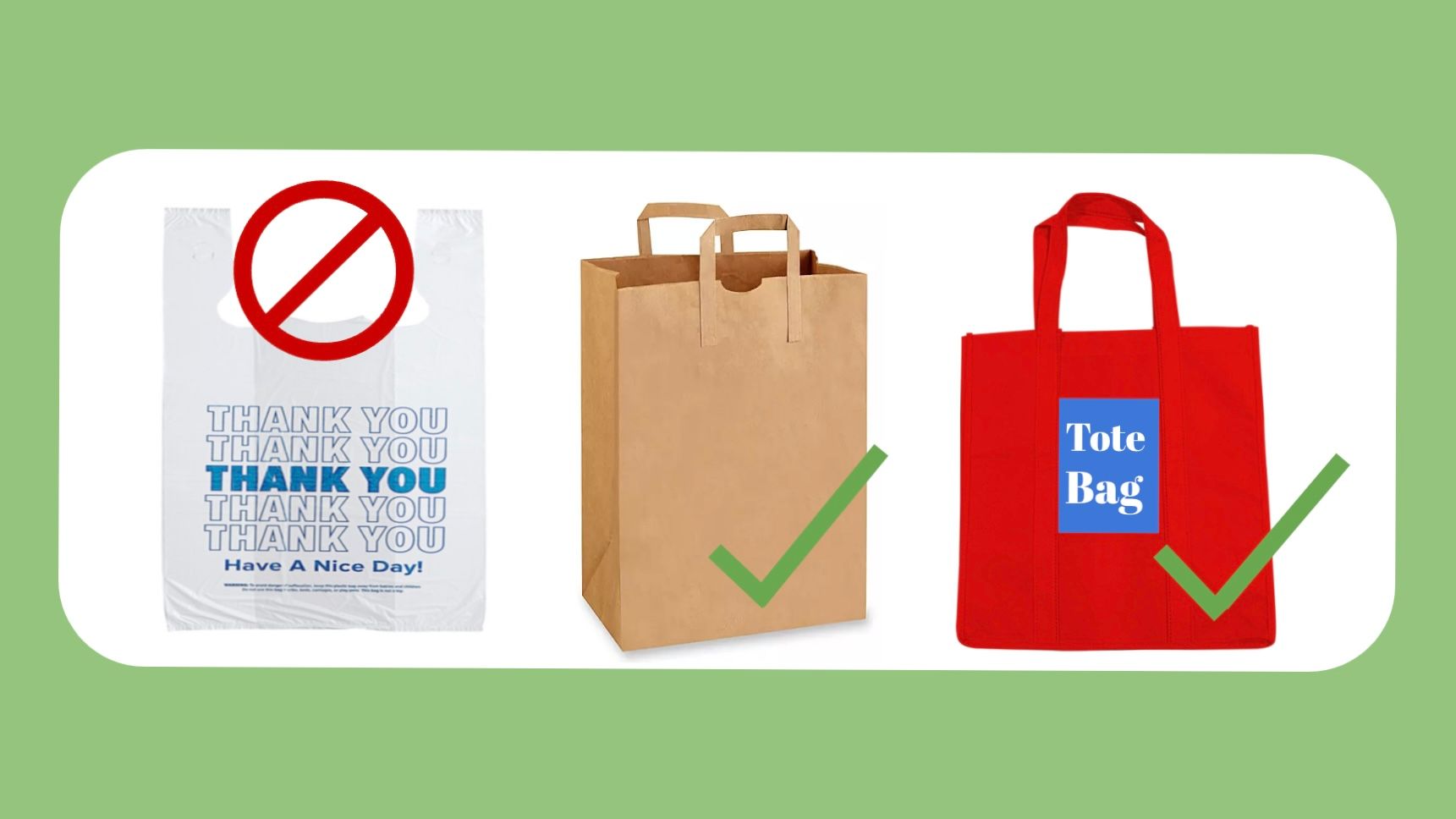
“A plastic bag has an average lifespan of 12 minutes and then it is discarded, often clogging sewage drains, contaminating our drinking water and degenerating into toxic microplastics that fester in our oceans and landfills for up to 1,000 years," said Blakespear. "It’s time to improve on California’s original plastic bags ban and do it right this time by completely eliminating plastic bags from being used at grocery stores.”
“California has a proud tradition of leading the nation on environmental policy, particularly on plastic pollution,” said Senator Allen who chairs the Senate Environmental Quality Committee. “We learned a lot in the years between those efforts, but since its conception, our bag ban policy has fallen behind those in other states. We can and must do better."
"Ten years ago, California attempted to ban plastic bags to stem pollution. Yet, these insidious relics persist, choking our waterways, imperiling wildlife, and despoiling our ecosystems," said Assemblywoman Bauer-Kahan. "AB 2236 is our battle cry against plastic pollution. With tougher rules and a push for eco-friendly alternatives, we're ready to kick plastic bags to the curb and reclaim our environment."
Blakespear, who represents San Diego and Orange Counties, said the thick "reusable" plastic bags under SB 270 have been difficult to recycle, and so few have been ever recycled, and they are seldom reused. Instead, the thick plastic bags have contributed to California’s growing plastic waste.
According to CalRecycle, the amount of grocery and merchandise bags disposed of by Californians grew from 147,038 tons, or roughly 8 pounds per person, in 2004 to 231,072 tons, or roughly 11 pounds per person, in 2021.
Environmental groups and the California Grocers Association supported the legislation.
“Beginning with the passage of SB 270 in 2014, California’s grocery industry has played a leading role in driving the state towards a common sense and responsible approach to the use of plastics and packaging by consumers,” said California Grocers Association Vice President of Government Relations Daniel Conway. “We know that even the best policies need to be updated over time to reflect changes in our society."
While specific penalties for stores which fail to follow the new law are not detailed in SB 1053, the law builds on existing regulations with potential fines from agencies like the California Attorney General for non-compliance, with related cases showing penalties from $65,000 to nearly $1 million for manufacturers.
Mei Mei Huang of Millbrae in San Mateo County as a consumer is delighted to see further actions to be taken by the State to save the environment. "I have always brought my own tote bags for shopping for food and other merchandise all these years. Many customers still like to get the carryout bags at cashiers in stores. I see it is wasting resources and hurting our earth. We should all do our shares to be friendly with the environment," Huang said.
Coco Chen, a houseware store owner in San Francisco, has not received much information about SB 1053 yet. She said she would follow the new law to provide recycled paper bags instead of thick reusable plastic bags that she has offered to her customers since her store was opened in 2022.
_______________________________________________________________________________
Portia Li is the editor and publisher of Wind Newspaper. Prior to co-founding the Wind Newspaper in 2020, Portia was a senior and investigative reporter at the San Francisco Bureau of World Journal for over three decades. She was born and raised in Hong Kong, educated in Taiwan and the United States. She has a bachelor’s degree in Journalism from National Chengchi University of Taiwan and a master’s degree in Mass Communication from Utah State University. In 2021, Portia was a recipient of the Society of Professional Journalists (SPJ) Northern California Chapter’s Career Achievement Award in Print. She can be reached at portia@WindNewspaper.com.
- Architect Dartmond Cherk: Taking away this symbolic bridge would deflate the standing of the Chinese community in San Francisco
- San Francisco: Kearny Street, between Clay and Washington streets, to be fully closed Aug. 1-2 and Aug. 8-9; Broadway Tunnel closed Aug. 15-16
- Carla Lee Hurley and Kirk Yin, 2 bilingual and community-oriented police officers, promoted to Captains in SFPD
- Over 15,000 signatures submitted, San Francisco citywide voters might have a chance to reopen Upper Great Highway
- 4-block Red Lane pilot project on Ocean Avenue presented, local merchants and residents oppose and ask for an immediate halt
- Chinese Newcomers Center holds annual food giveaway in San Francisco Chinatown for 5,000 seniors and low-income families citywide
- San Francisco fails to preserve the historic Portsmouth Square pedestrian bridge in Chinatown, demolition to begin
- SFMTA announces Ocean Avenue red lane implementation to begin in 2027, Chinese community complains the city failed to listen to them