Small business owners applying for SBA loans must be U.S. citizens effective March 1, 2026

SAN FRANCISCO — The Trump administration has recently and quietly moved to implement a new policy restricting federal government services for non-citizen immigrants. Effective March 1, 2026, the U. S. Small Business Administration (SBA) has ordered loans offered to businesses that must be 100% owned by U.S. citizens or U.S. nationals residing in the United States.
The SBA released its new policy on February 2, 2026 to all SBA employees and lenders authorized to assist with SBA loan applications.
"Consistent with 13 C.F.R. 120.100 and Executive Order 14159 'Protecting the American People Against Invasion,' SBA is requiring that 100% of all direct and/or indirect owners of a small business applicant be U.S. Citizens or U.S. Nationals who have their Principal Residence in the United States, its territories, or possessions," SBA stated in the Policy Notice issued on February 2, 2026.
The SBA Policy Notice further stated that legal permanent residents (green card holders) would not be eligible to own any percentage interest in SBA loans.
The February 2 notice was primarily to ban non-citizens from applying for SBA's flagship 504 and 7(a) loan programs starting March 1. On March 9, SBA announced an expansion of the citizenship requirement to all SBA loans.
“The Trump SBA is committed to driving economic growth and job creation for American citizens,” SBA Administrator Kelly Loeffler said in the March 9 press release. “Last month, we made it clear that SBA would not allow foreign nationals to access our core small business loan programs – and today, we are expanding that policy to include all SBA-guaranteed loans."
"With our lending authority capped annually by Congress and amid record demand for access to capital, our responsibility is clear: the limited resource of SBA financing must prioritize American citizens who are building businesses and creating jobs here at home,” Loeffler said.
A year ago in March 2025, shortly after President Donald Trump took office, Loeffler announced the addition of citizenship verification to the SBA application process to ensure applicants have legal status in the country and prohibit businesses from fully or partially owned by undocumented immigrants.
In the meantime, the SBA also announced that it would relocate six of its regional offices in metro areas, that have policies not to comply with the U.S. Immigration and Customs Enforcement (ICE), to new locations where the local governments are willing to comply with federal immigration law. Its relocation plans applied to the regional offices in Atlanta, Boston, Chicago, Denver, New York City, and Seattle.
According to Loeffler, in Fiscal Year 2025, SBA approved 3,358 loans for small businesses partially owned by permanent residents (green card holders)—representing 4% of the agency’s total 85,000 loan approvals—largely during the Biden Administration.
"SBA is prioritizing the agency’s guaranteed loan programs for American citizens," the SBA wrote.

In February after Loeffler issued the Policy Notice, five Congressional Representatives on behalf of their colleagues protested against the citizenship requirement implemented by the SBA and sent a joint letter to Loeffler.
The joint letter stated the SBA issued Policy Notice 5000-876441 on February 2 to bar any U.S. small business with non-citizen ownership from participating in the agency's 7(a) and 504/CDC loan programs, even if those owners are lawfully in the United States. A subsequent Procedural Notice issued on February 11 further detailed the new requirements.
"This marks the fourth time since March 2025 that the SBA has changed its guidance on citizenship requirements, creating confusion and uncertainty for lenders and borrowers alike," said in the joint letter which was sent by House Small Business Committee Ranking Member Nydia Velázquez (D-NY), Senate Small Business Committee Ranking Member Edward J. Markey (D-MA), Congressional Asian Pacific American Caucus Chair Grace Meng (D-NY), Congressional Black Caucus Chair Yvette Clarke (D-NY), and Congressional Hispanic Caucus Chair Adriano Espaillat (D-NY).
"Recent changes made by the U.S. Small Business Administration threaten to undermine local economies and job creation by impeding American small businesses," the congressional members wrote in the letter. "We urge the SBA to return to common sense standards in place for a quarter century prior to the Trump Administration."
"Both the 7(a) and the 504/CDC program carry a maximum loan amount of $5 million in most circumstances and have been instrumental in helping American small businesses access credit for decades," the letter stated.
"At a time when President Donald Trump’s tariff and trade policies are putting immense pressure on America’s small businesses, the SBA should be focused on reducing barriers and helping more small businesses access these two important programs."
"Instead, the SBA is spreading fear and confusion among lenders, CDC partners, and small business owners. This is now the fourth time since March 2025, that SBA has changed their guidance on this draconian policy," the letter stated.
The Congressional lawmakers wrote, "This policy change is entirely self-defeating and limits the growth of our GDP over the long term."
They were also critical of the series of SBA policy changes that have created practical challenges for lenders and program partners handling the loan applications.
Under the new policies, lenders must upload borrowers' citizenship information to the SBA’s electronic loan submission platform.
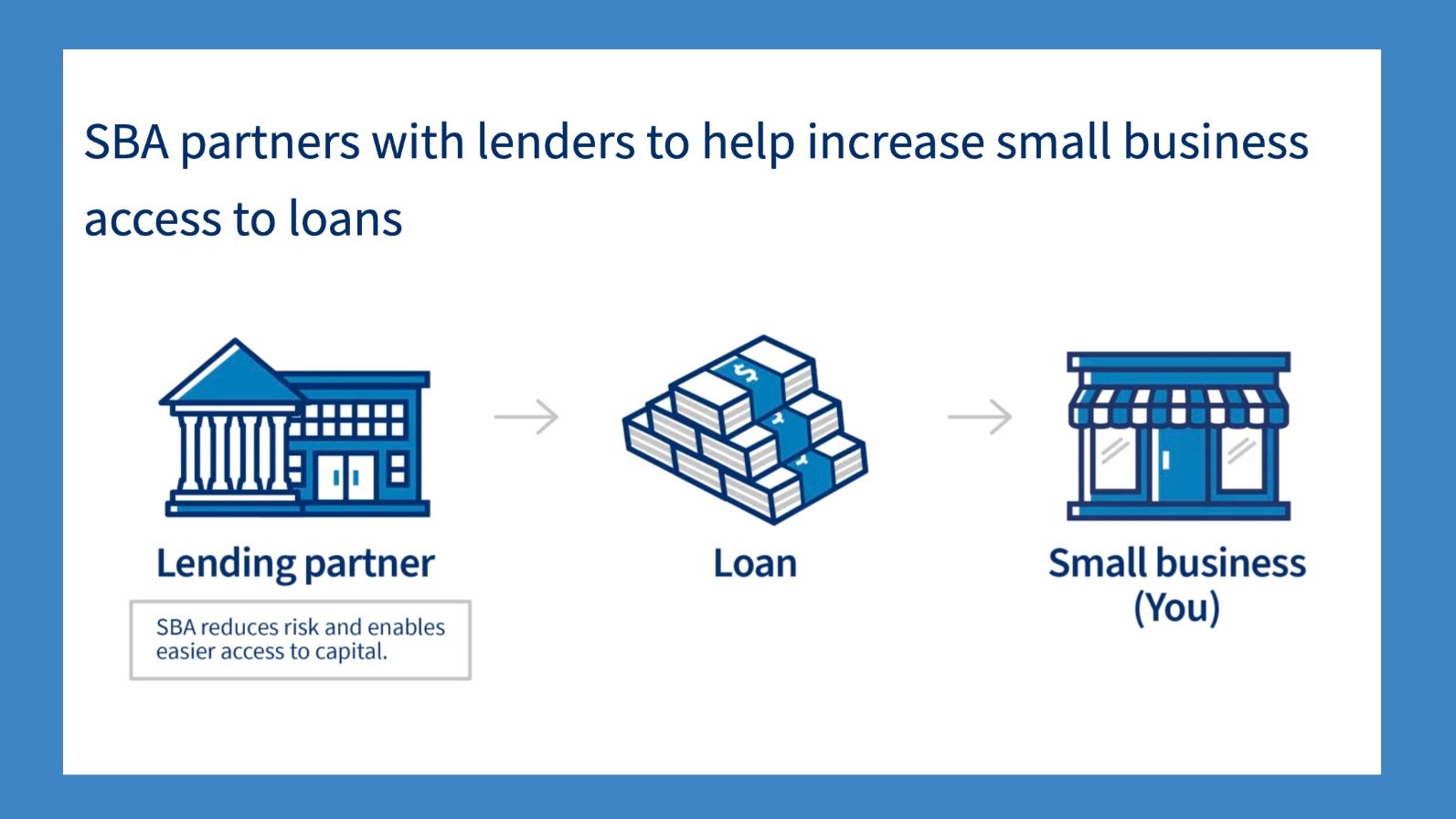
Congressional members said they remained concerned that the SBA’s new policies would be very difficult for lenders to implement and could cause lenders to avoid businesses with complex ownership structures, thereby decreasing lending overall, in order to avoid legal exposure.
"Requiring the SBA to 100% certify the business borrower’s ownership by U.S. citizens or nationals is expected to result in additional processing times, delays, and costs, not only for the SBA, but for lenders and small business borrowers as well," the letter stated. "Small businesses are the backbone of our nation’s economy."
The Census Bureau data indicated that Immigrants owned nearly a fifth of all employer companies (businesses with one or more employees besides the owner) and almost a quarter of non-employer businesses (where the owners are the only employees) in the country. The numbers are higher than their percentages of the population or the workforce generally.
In 2022, immigrants made up 13.9% of the US population and 18.1% of the workforce, while immigrants owned 19.1% of employer companies with other 80.9% had US-born owners. The latest data on non-employer businesses was from 2021: 24% of owners were immigrants.
Among the employer businesses which hire employees, accommodation and food services were most likely to have owners born overseas with more than a third (37.7%) under immigrant ownership. The next-highest were in retail (24.8% immigrant-owned) and healthcare and social assistance (23.4%), according to the USA Facts website.
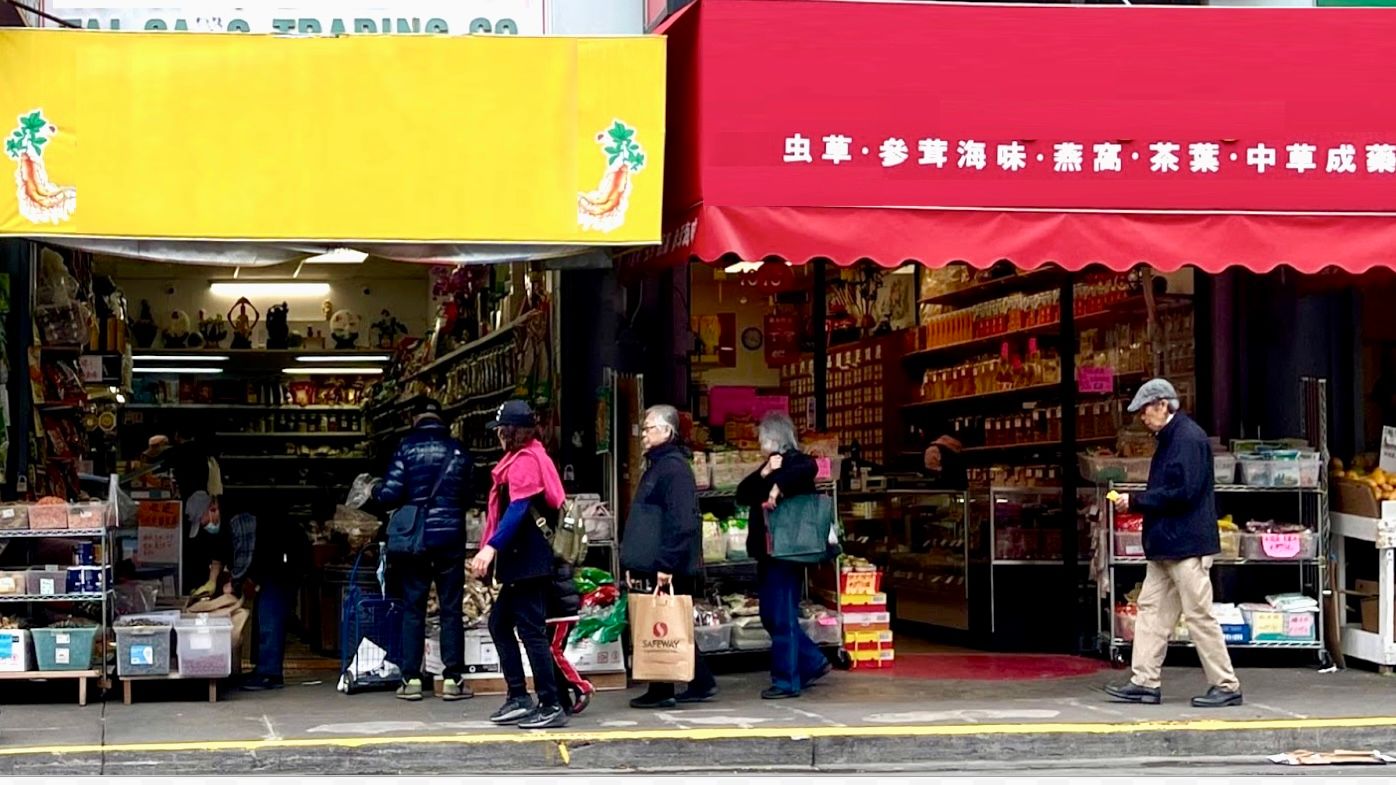
In the Chinese community, the number of immigrant-owned small businesses is estimated to be higher than the national average. A bank executive who requested anonymity said the SBA's new citizenship requirement would hurt the Chinese community more deeply.
Based on the bank executive's years of experience assisting clients with SBA loan applications, the majority of Chinese small business owners are interested in applying for SBA loans to purchase properties for their businesses. Among them, many are non-citizen immigrants with limited English proficiency.
"That is also the background for Chinese immigrants with a language barrier to start their own businesses to survive in the U.S.," said the bank executive. "The SBA loans have always had layers of requirements for applicants. Now the new policies would add more on top of that. I expect that fewer and fewer small business owners who are immigrants will qualify."
- Opinion: Vote no on Prop H — small businesses cannot pay more
- Prop G gets a second chance for San Francisco voters to decide the fate of the Upper Great Highway in the November election
- 23 parking spaces during commute hours added in Chinatown amid 3 major renovation projects
- Asian supermarkets are booming in the San Francisco Bay Area with intense industry competition
- Architect Dartmond Cherk: Taking away this symbolic bridge would deflate the standing of the Chinese community in San Francisco
- Our Mission and Policy
- San Francisco: Kearny Street, between Clay and Washington streets, to be fully closed Aug. 1-2 and Aug. 8-9; Broadway Tunnel closed Aug. 15-16
- Carla Lee Hurley and Kirk Yin, 2 bilingual and community-oriented police officers, promoted to Captains in SFPD