Asian supermarkets are booming in the San Francisco Bay Area with intense industry competition

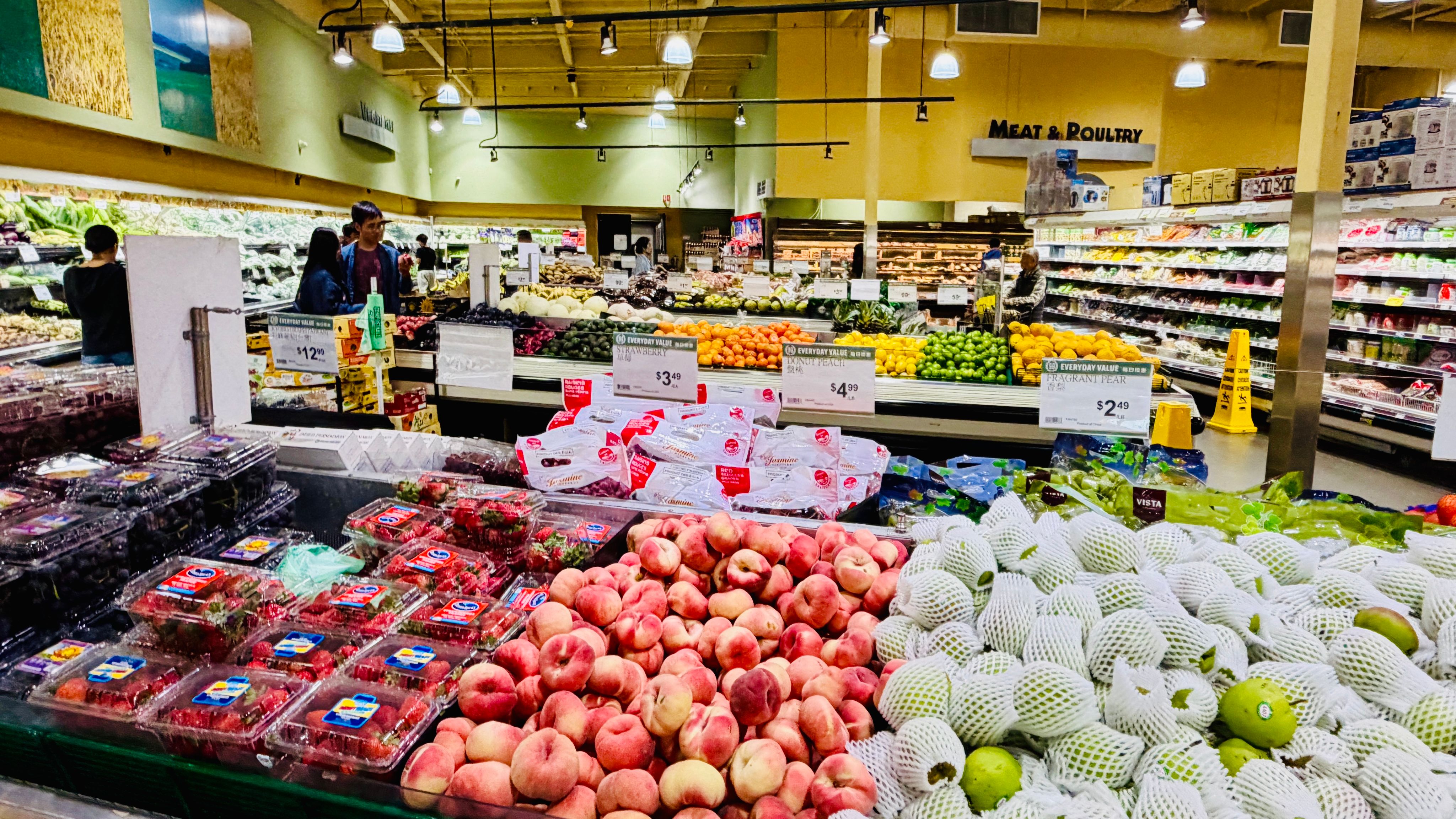
SAN FRANCISCO — The fast-growing Asian population in the San Francisco Bay Area has contributed to a new wave of high-end Asian food supermarket openings since the 2020 pandemic. The increased variety of Chinese, Korean, and Japanese-oriented supermarkets has intensified competition within the industry. Consumers welcome these additional food choices, believing that greater competition will elevate service quality and lower retail prices.
Since 2020, four large-scale Asian food supermarket chains — H Mart, Mega Mart, Osaka Marketplace, and T&T Supermarket — have announced plans to open at least 13 grocery stores in the San Francisco Bay Area, a surge unprecedented for the region.
"Asian Fresh Living" project launched by 99 Ranch Market
99 Ranch Market, owned by TAWA Supermarket Inc., has been the largest Chinese-owned Asian food supermarket chain in the United States, serving in the Bay Area for four decades and currently operating 12 stores.
The chain was founded in 1984 by Roger Chen, a first-generation Chinese immigrant from Taiwan, and is headquartered in Buena Park, Southern California.
Now 99 Ranch Market operates 69 stores across 11 states, with the majority located in California. The other 10 states include Oregon, Washington, Nevada, Texas, New York, New Jersey, Massachusetts, Maryland, Arizona, and Virginia.
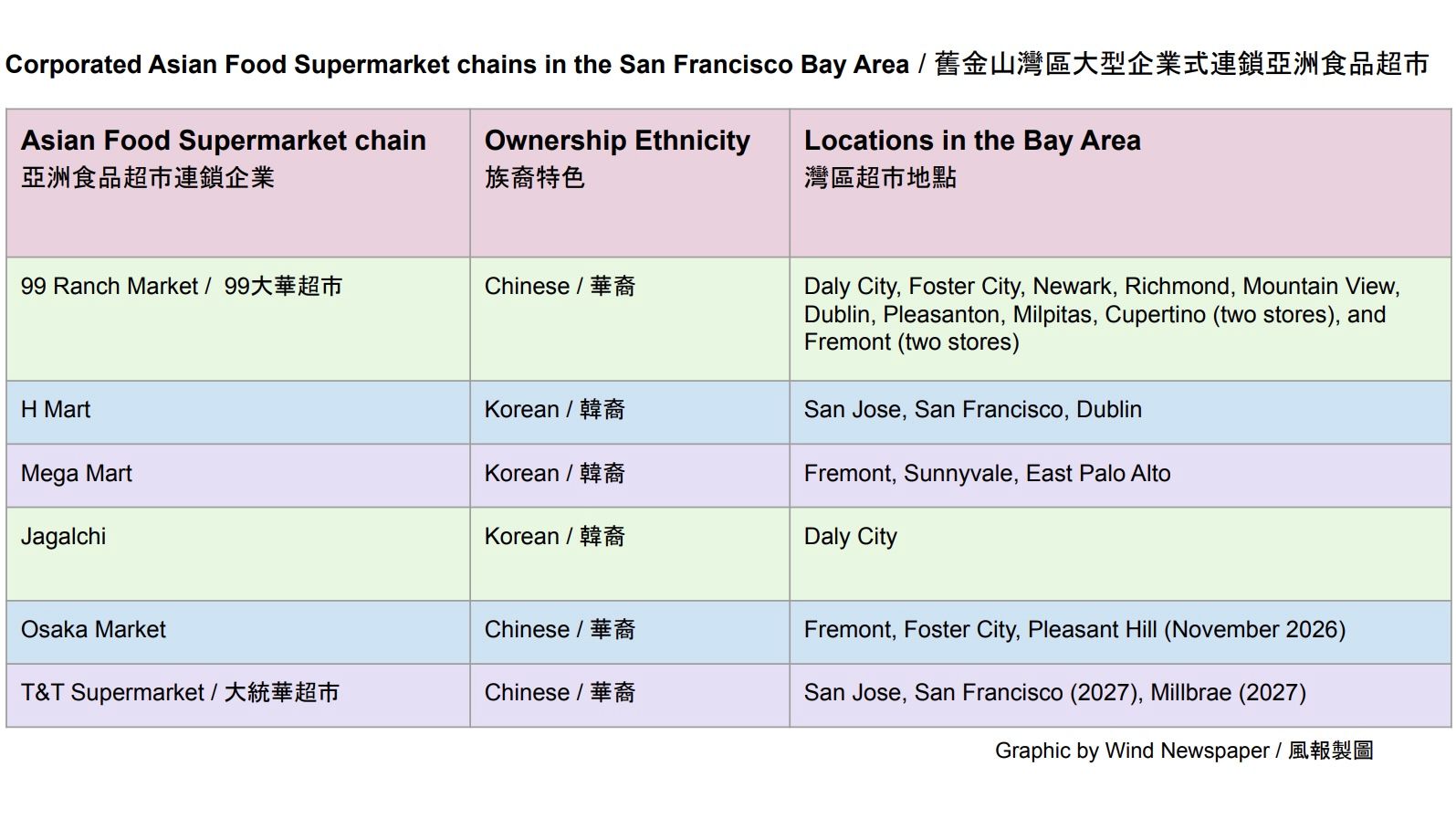
In the San Francisco Bay Area, the 16 stores span 12 cities across three counties: Daly City, Foster City, Newark, Richmond, Mountain View, Dublin, Pleasanton ( two stores), Milpitas, Concord, Cupertino (two stores), Fremont (two stores), and San Jose (two stores).
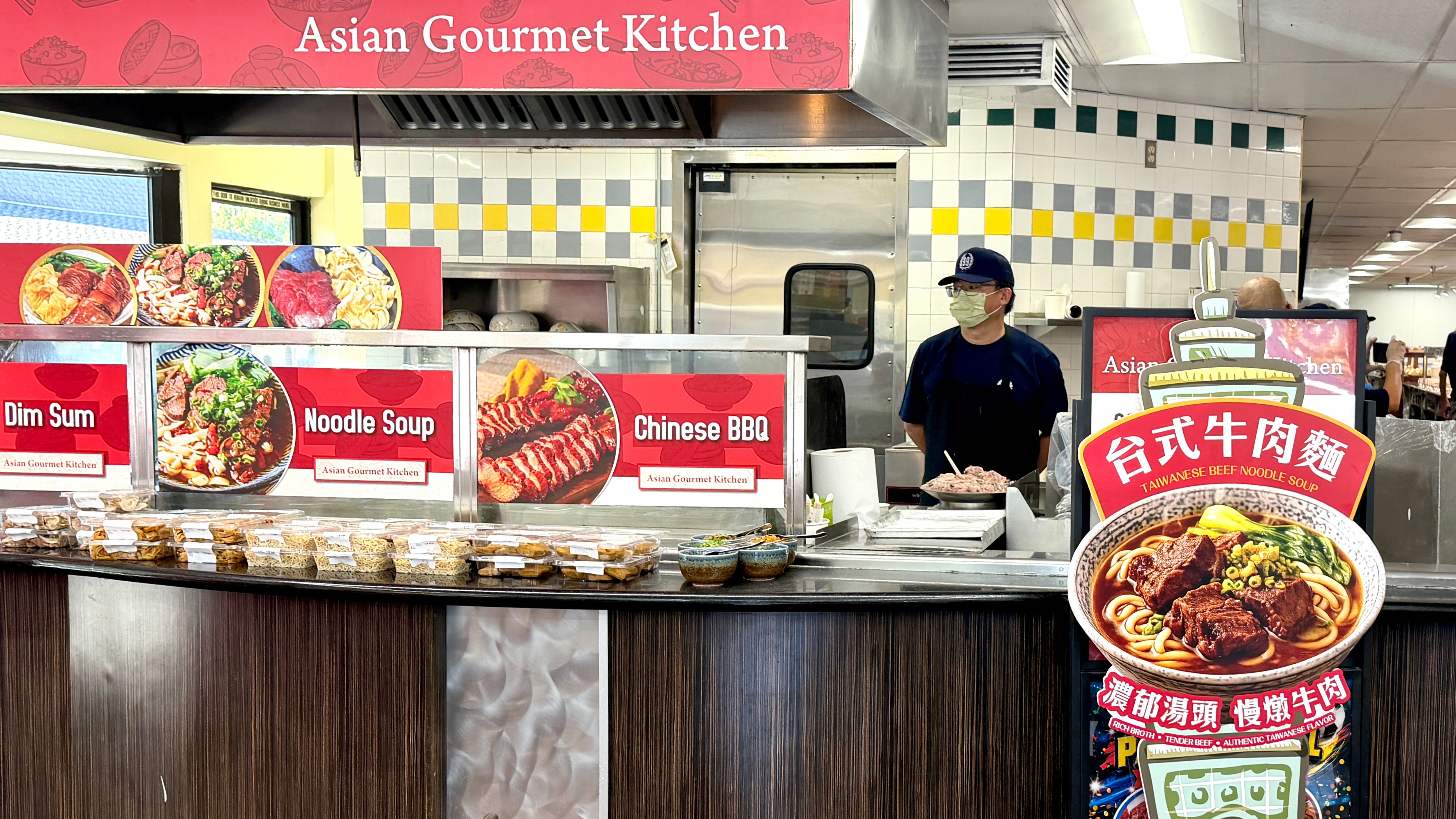
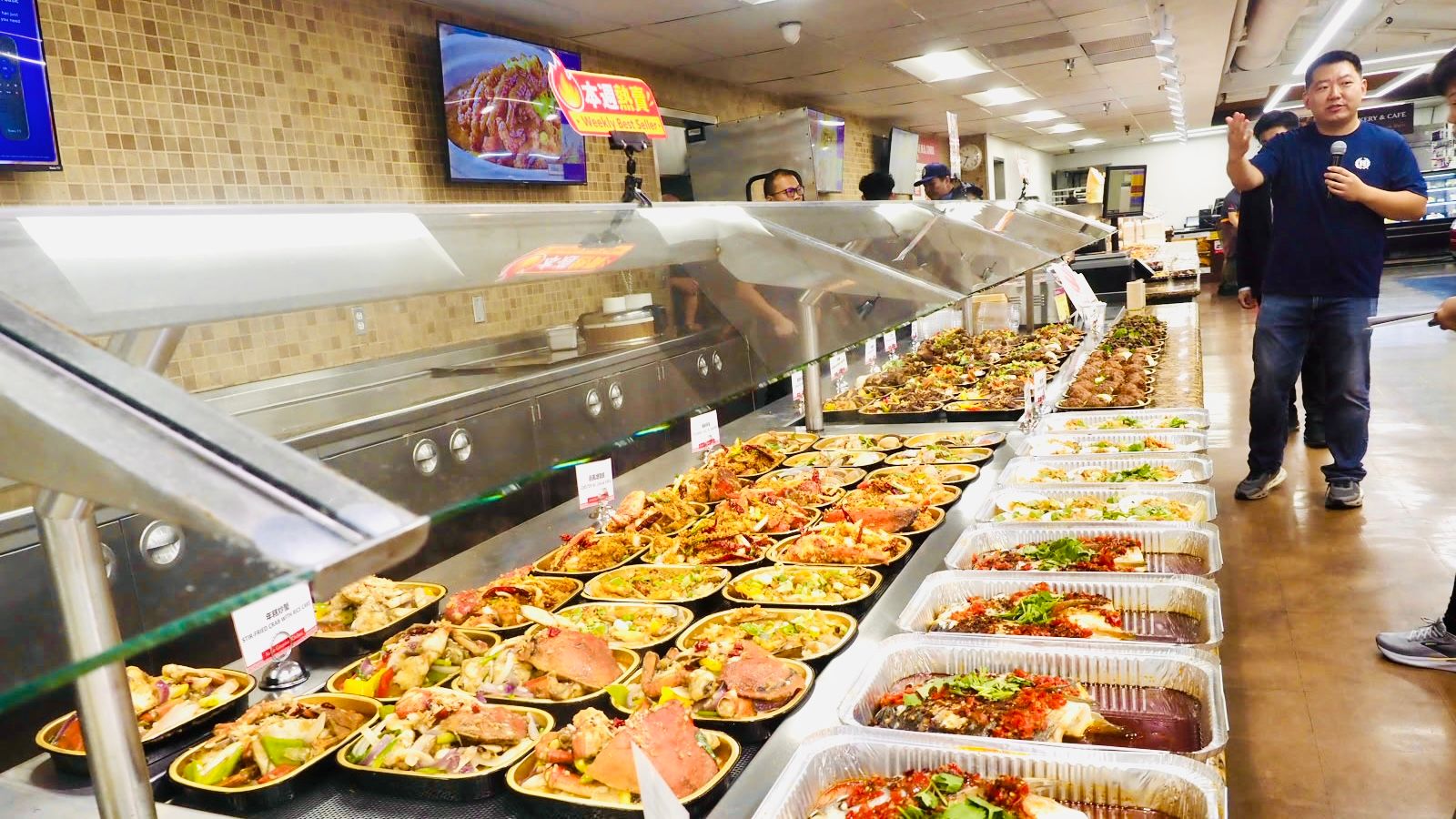
On August 5, TAWA Supermarket Inc. held a press event at its Cupertino supermarket to announce the "Asian Fresh Living" project. This initiative expands the store's hot deli program by adding more freshly cooked breakfast, lunch, and dinner options for takeout or dine-in.
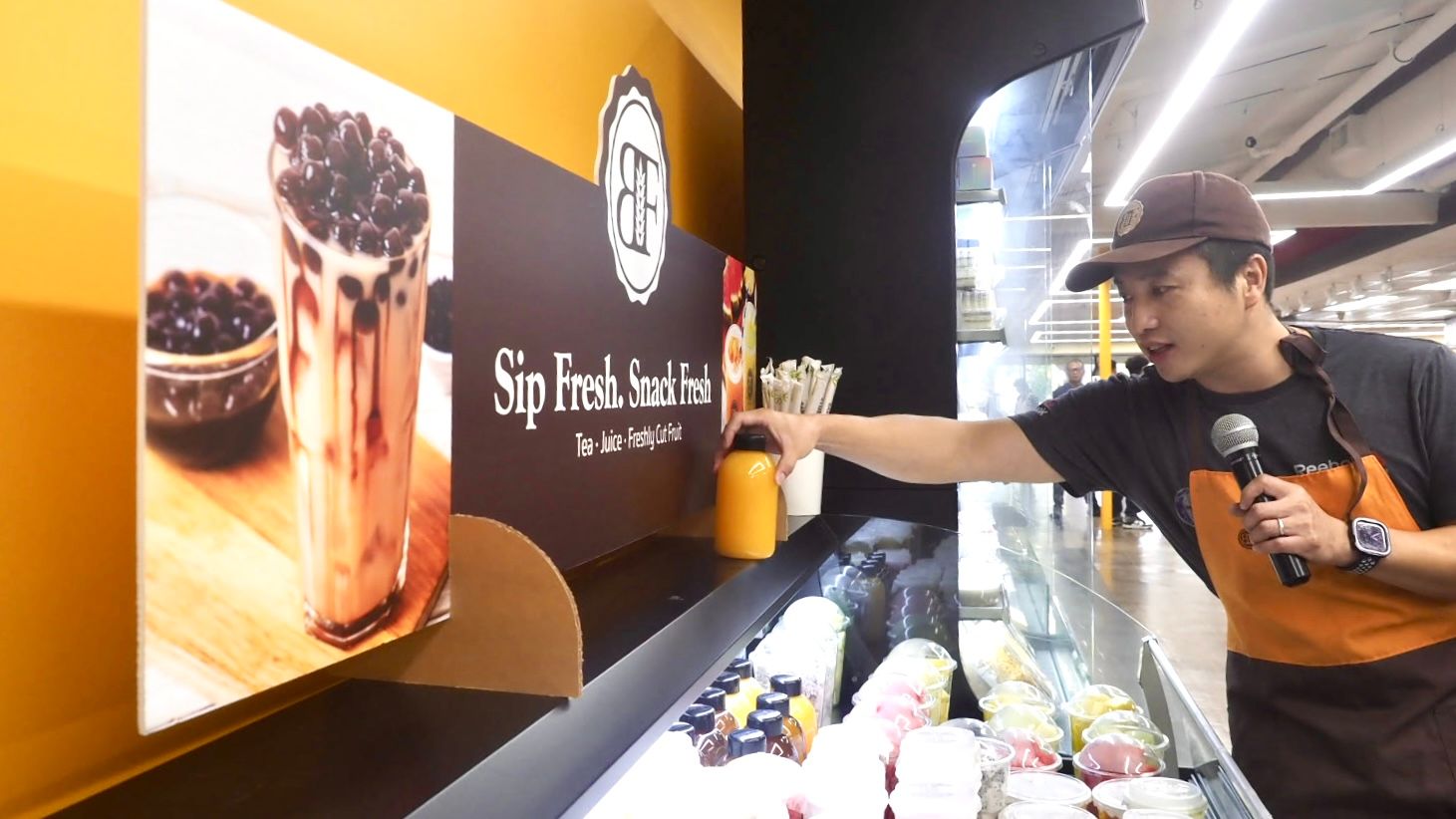
"99 Ranch Market is redefining what it means to 'eat at home' by offering a complete, one-stop fresh food experience from breakfast, lunch, afternoon snacks, and bakery items to ready-to-enjoy dinners and family-style meals," said Henry Chung, Director of Marketing at 99 Ranch Market. "The program features a wide range of freshly prepared foods made daily in-store, including Chinese breakfast favorites, dim sum, BBQ specialties, hot entrées, cold dishes, bakery offerings, and the newly introduced Signature Small Plate Collection."
"As more Asian American households embrace dual-income lifestyles and increasingly busy schedules, the tradition of gathering around the dinner table remains as important as ever," Chung added. "What is changing is not the desire to eat together, but the way families prepare and enjoy their meals."
According to 99 Ranch Market, the new platform is designed to provide modern Asian families with quality meals, greater convenience, value, and more time together.
While 99 Ranch Market has included a hot deli department in its stores for 40 years, the company continues to innovate. "We always travel to Asia to learn about Asian culinary cultures. We're constantly thinking about how to give our customers more choices, allowing them to enjoy restaurant-quality food at our prices," said Phil Tian, Director of Culinary Innovation at 99 Ranch Market.
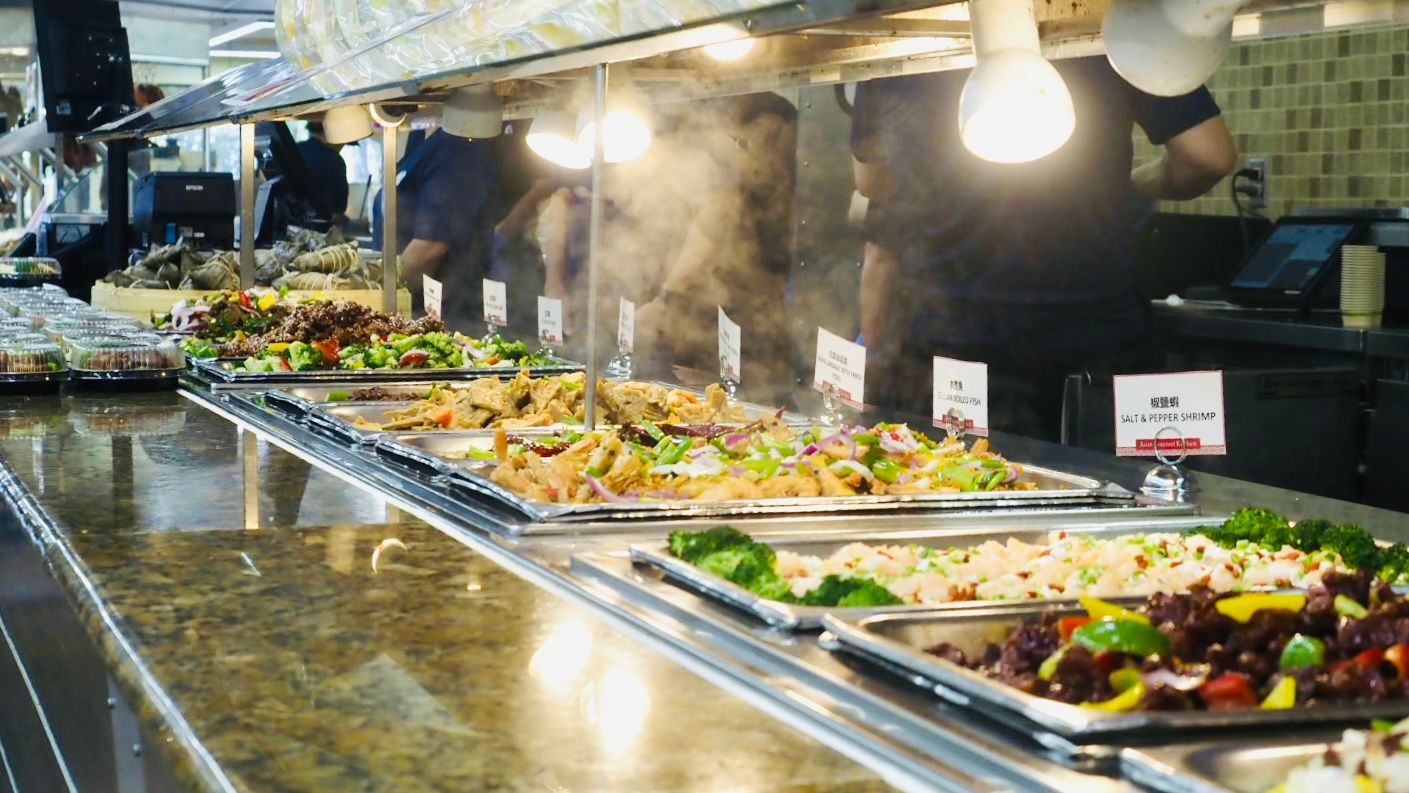
New additions to the ready-to-go takeout selection include Typhoon Shelter Lobster, Stir-fried Crab with Rice Cake, steamed scallops with garlic, and steamed fish head with chopped chili peppers.
99 Ranch Market continues to hold a dominant position in the Asian supermarket industry as it expands into new regions and states in the nation.
Asian population continues rapid growth in the San Francisco Bay Area
According to the 2020 U.S. Census data, Asians have become the largest people of color group in the San Francisco Bay Area, second to white residents. The total regional population is 7.77 million.
In the 9-county San Francisco Bay Area region, the population is highly diverse with no single racial or ethnic group holding an absolute majority. In the 2020 census, Non-Hispanic White residents comprise 36% to 39%, Asian and Pacific Islander residents 28%, Hispanic or Latino residents 24%, and Black or African American residents 5.6%.
Between 2010 and 2020, the Bay Area’s Asian population grew by 9%, adding 615,000 residents and bringing the total of Asians to 2,171,656. This represents an increase from the previous decade, during which the Asian population grew by 5%.
Census data reveals that among 41 Asian ethnic groups nationwide, Asian Indians had the highest growth, increasing 54.7% to 4,397,737 between 2010 and 2020 to become the most populous single Asian group in the United States.
The next largest groups and their nationwide population changes from 2010 to 2020 include: Chinese (excluding Taiwanese), 4,128,718 (up 31.6%); Filipinos, 3,076,108 (up 20.4%); Vietnamese, 1,951,746 (up 26.0%); Koreans, 1,508,575 (up 6.0%); and Japanese, 741,544 (down 3.2%).
Traditionally, Chinese (excluding Taiwanese) remains the largest Asian group in both California and the San Francisco Bay Area.
In California, there are 1,815,409 Chinese residents (excluding Taiwanese), followed by Filipinos (1,667,574), Asian Indians (879,969), Vietnamese (788,351), Koreans (557,491), and Japanese (478,050).
Within the 9-county Bay Area, Santa Clara County has the highest percentage of Asian residents at 39.2% (759,030), followed by San Francisco County at 34% (296,000), Alameda County at 32.4% (545,261), and San Mateo County at 30.1% (230,242).
A new wave of high-end corporate Asian food supermarkets opens in the Bay Area
In recent years alongside challenges from inflation and the pandemic, local grocers and established chains like 99 Ranch Market in the Bay Area have faced intense competition from arriving corporate chains.
These large-scale corporate chains opened Asian food supermarkets in the Bay Area starting from H Mart which expanded its operation to San Francisco in April 2021 after its first expansion to San Jose in 2017. Its third store in the Bay Area is located in Dublin and opened in March 2026.
H Mart is the New Jersey-headquartered, Korean-owned chain founded in 1982 in Queens, New York, by South Korean immigrant Han Ah Reum. It is currently the largest Asian food supermarket chain in the U.S., operating 97 stores nationwide.
Mega Mart is a major South Korean discount supermarket chain started in 1981 by the Nongshim food company. It operates many stores in South Korea and expanded to the United States by establishing its first store in Georgia in 2010.
15 years later in 2025, the chain opened three additional stores all in the San Francisco Bay Area: Fremont, Sunnyvale, and East Palo Alto. Its East Palo Alto location spanning 50,000 square feet becomes one of the largest Asian food grocery stores in the Bay Area. All three Mega Marts in the Bay Area feature fresh Asian groceries, housewares, and ready-to-eat fast foods.
Jagalchi is a Korean-food-oriented supermarket located at the Serramonte Shopping Center in Daly City and opened for business in March 2025. The 75,000-square-foot market is the largest Asian grocery store in the Bay Area and offers full food supply and ready-to-eat service. It is affiliated with the Mega Mart corporation.
Osaka Marketplace specializes in Japanese food products. It opened its first store in Fremont in November 2021, followed by a second in Foster City in November 2025. The chain has announced its third store, a 42,000-square-foot full-service supermarket, scheduled to open in Pleasant Hill in November 2026. As of now, the chain’s U.S. expansion plans are located exclusively in the San Francisco Bay Area.
T&T Supermarket is Canada’s largest Asian grocery chain and was founded in 1993 in Vancouver by Taiwanese immigrants Cindy and Jack Lee, who named the business after their daughters, Tina and Tiffany. The chain started its first store in Burnaby in 1993 and opened the second store in Richmond a month later.
Today, the chain has 39 stores. It expanded into the U.S. in 2024 with a 76,000-square-foot store in Bellevue, Washington, followed by a 30,000-square-foot store in Lynnwood, Washington, in November 2025.
In 2025, T&T announced the opening of three stores in the San Francisco Bay Area including the 55,000-square-foot San Jose store which opened in June 2026, both the future San Francisco's City Center store and Millbrae store expected to open in Winter 2026 to 2027.
Impact on local businesses and consumer perspectives
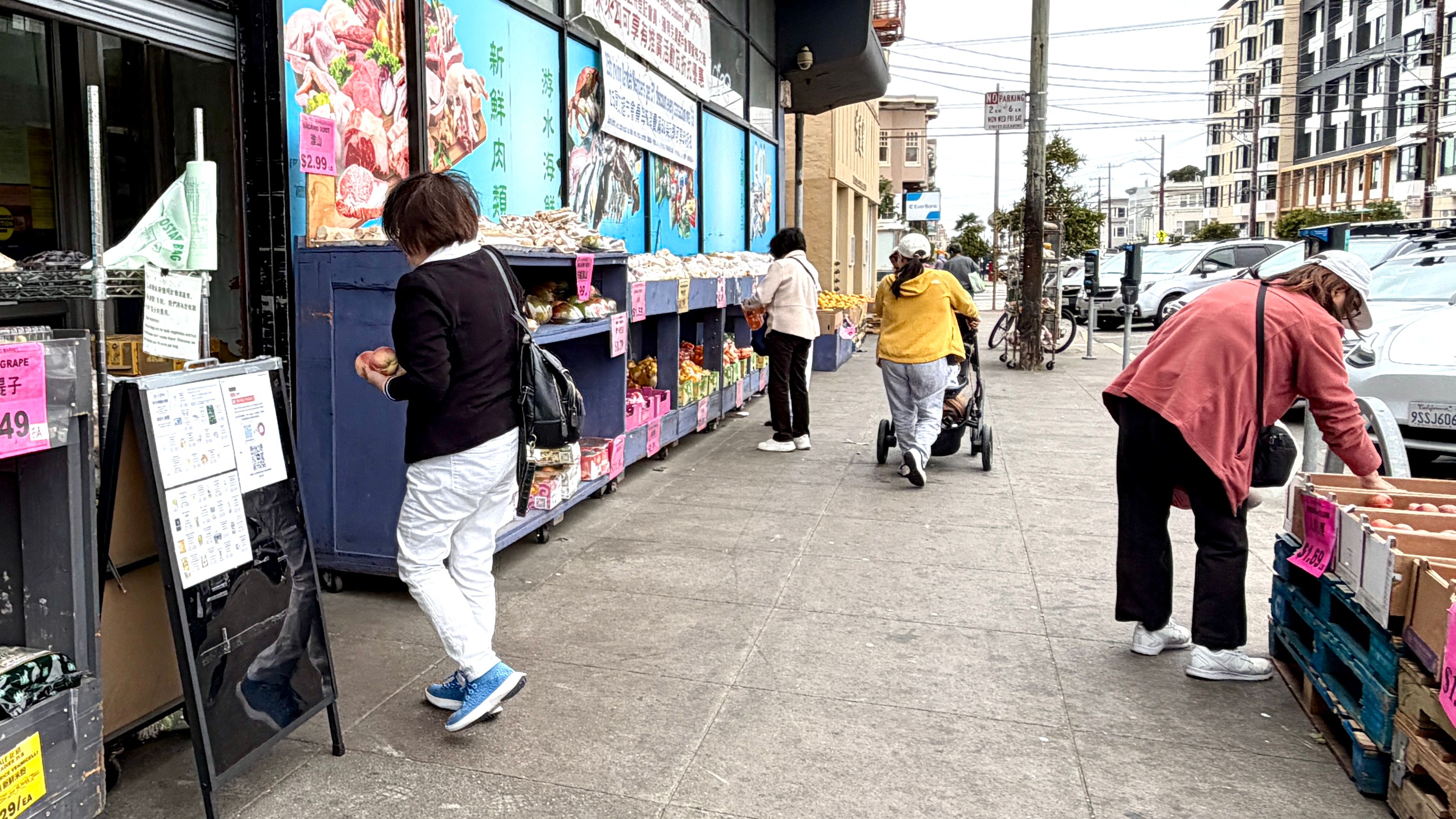
The influx of large-scale supermarkets has impacted smaller local stores in the San Francisco Bay Area. A vegetable and fruit market owner, who did not want her name to be published, in San Francisco's Chinatown noted that her business has declined in recent years due to a combination of factors—inflation, higher import costs, local crime, and homelessness—which have driven the City's residents to shop south in San Mateo County and the South Bay.
Taylor Chow, an importer and co-founder of the Oriental Food Association, welcomed the large chains entering the Bay Area. The region's growing Asian population and booming AI (Artificial Intelligence) industry have motivated these expansions from Asian food grocery chains.
Chow stated that members of the Oriental Food Association, who primarily import food products from Asian countries, have seen increased business by supplying these new supermarkets.
"Those huge, clean, and modern Asian supermarkets have driven more non-Asian American customers and younger generation customers of all races to their stores shopping for groceries and prepared Asian food because the concept of supermarkets is similar to theirs," Chow said.
Chow believes while new chains attract new customers to the market, traditional stores like 99 Ranch Market and smaller local groceries will continue to retain their loyal customer base.
Local residents express mixed preferences. George Lee, a software engineer and 25-year resident of Millbrae, welcomes the upcoming T&T Supermarket at the Lucky store old site in Millbrae. "I have been a customer of 99 Ranch Market in Foster City since I moved to Millbrae from San Francisco," said Lee.
"Because of my busy work schedule, large-scale Asian food supermarkets work better and are easier for me to shop for veg and food. That is why I would drive to Foster City to shop," Lee said. "If a large supermarket opens in Millbrae, it would be very convenient for me."
"My choices will be based on the quality and prices of the food. If the differences are too big, I would rather travel further to shop there," Lee added. "I believe that more choices are good for both consumers and the supermarket industry. Competition is essential for progress."
Jenny Liao, a mother of two living in South San Francisco, still prefers local markets for daily needs. "Those large Asian supermarkets seem like the once-a-while shopping experience for me with children and families together," Liao said.
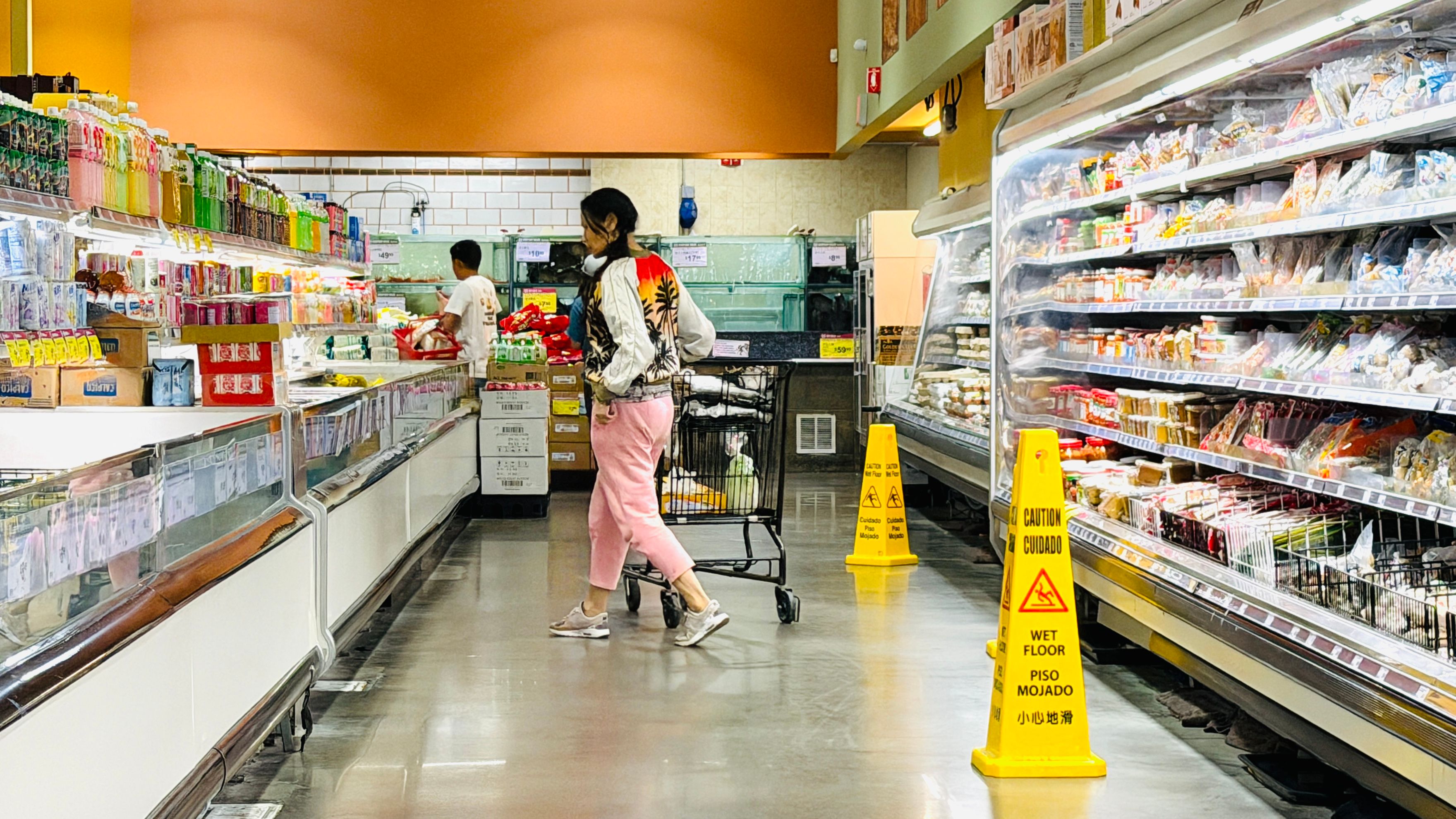
Noting that higher prices and large store sizes make daily shopping less convenient. "I love to buy veg and fruit at our local groceries that I know the best. It takes less time to walk around."
"Local grocery stores still have advantages for me. But huge supermarkets are also welcomed. More choices for consumers are always better for society," Liao noted.
- 5 of 10 local measures in San Francisco authored by Mayor Lurie to amend City Charter and secure funds for SFMTA
- Opinion: Vote no on Prop H — small businesses cannot pay more
- Prop G gets a second chance for San Francisco voters to decide the fate of the Upper Great Highway in the November election
- 23 parking spaces during commute hours added in Chinatown amid 3 major renovation projects
- Asian supermarkets are booming in the San Francisco Bay Area with intense industry competition
- Architect Dartmond Cherk: Taking away this symbolic bridge would deflate the standing of the Chinese community in San Francisco
- Our Mission and Policy
- San Francisco: Kearny Street, between Clay and Washington streets, to be fully closed Aug. 1-2 and Aug. 8-9; Broadway Tunnel closed Aug. 15-16