Opinion: Save San Francisco — Vote No on Prop H
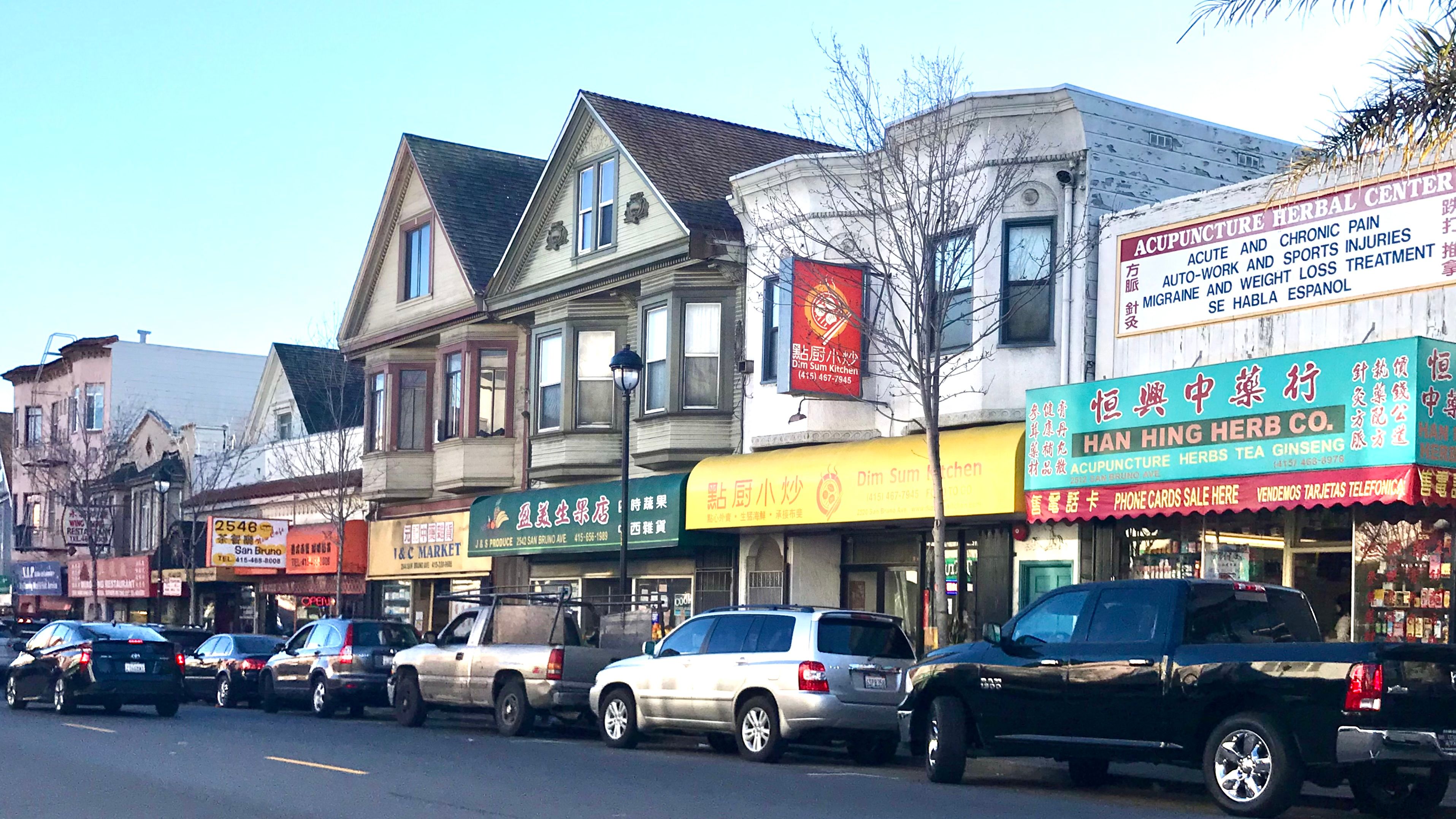
Proposition H in San Francisco only raises taxes on property owners and homeowners citywide, aiming to solve the San Francisco Municipal Transportation Agency (SFMTA) huge fiscal deficit caused by mismanagement. This is tantamount to the city government "robbing" homeowners.
In San Francisco, the poor take Muni, while the rich use Uber and Waymo. Proposition H's wording is very appealing; it tries to garner sympathy by suggesting that Muni services in San Francisco will be cut, implying that if Proposition H doesn't pass, public transportation service for the elderly and the poor in San Francisco will cease.
Having worked for the city government for over 20 years and was an active member of the city's labor unions, I thoroughly understand the city's structure. This was why I ran for the Mayor of San Francisco in 2018, 2019, and 2024.
Under the San Francisco city government structure, the SFMTA is allocated public funds for operation. However, the city employees' labor unions have successfully expanded employee benefits. And the mismanagement within city agencies has led to severe shortfalls for the SFMTA.
The financial problems that the SFMTA faces should not be the responsibility of all property owners and homeowners; Prop H proposal is inappropriate.
In San Francisco's history, whenever the city government needed more funding, it always created a parcel tax. Essentially, this was a form of "robbery" of property owners and homeowners.
All San Francisco homeowners find a long list of extra taxes on their annual property tax bills. At least four items in addition to the regular parcel taxes are listed on each bill. All these extra taxes pay for various agencies and uses.
The SFMTA's challenges and severe shortfalls has stemmed from various factors: mismanagement, inefficiency, continuous expansion of staff and benefits, hiring too many employees, excessive union power, and wasted resources.
Before proposing Prop H, which only requires property owners to pay for the SFMTA’s problem, Mayor Daniel Lurie has a responsibility to first study how to cut spending and staffing, rather than simply demanding that "property owners pay" whenever funds are insufficient.
The number of city employees hired by San Francisco is more than double that of other metropolitan cities across the country.
Data shows that San Francisco, with a population of over 800,000, has more than 34,000 employees. Other metropolitan cities in the nation with larger sizes and greater populations than San Francisco typically hire fewer than 10,000 employees.
Data also shows that San Francisco had approximately 34,800 city employees in 2025, a 29% increase from 26,900 in 2005. San Francisco city employees also receive the highest salaries among major metropolitan cities in the United States. Salaries and benefits for employees account for 43% of the city's budget.
With such a large number of city employees hired, city agencies should be able to handle all social services for communities in need. However, San Francisco also provides massive public funds and grants to over 900 non-profit organizations in the city for supplemental services. These expenditures primarily come from property taxes and sales taxes.
Raising taxes in San Francisco will not benefit most people; there will always be consequences impacting all community members in the long run. Like Prop H, there will be consequences for property owners, renters, small business owners, the economy, the real estate market, declining homeownership, population moving out and more.
Currently, children and teenagers under 18, as well as seniors, ride Muni for free. Why did the SFMTA stop offering discounted tickets for children, teenagers, and seniors as it did in the past?
A $20 monthly pass per child and $30 per senior are affordable for them and that would help the SFMTA budget. Property owners shouldn't be the only ones to "foot the bill."
If San Francisco really needs to raise new taxes to solve problems, the policy must be equitable and treat everyone equally, not just have property owners "pay."
For example, the Regional Transportation Measure (RTM) for five Bay Area counties, which voters will approve in the November 3 election, aims to raise sales taxes that ensure equality and fairness for all. This approach contradicts San Francisco's Proposition H, which only "requires" property owners to pay the new tax. Prop H violates the U.S. Constitution.
________________________________________________________________
Ellen Lee Zhou is a first-generation immigrant from China. She completed her high school and college education all in San Francisco and has never left the city. She was a candidate running for the Mayor of San Francisco three times—in 2018, 2019, and 2024.
- Opinion: Save San Francisco — Vote No on Prop H
- Chinese community members say Prop H unfairly makes property owners pay for the San Francisco public transit agency’s shortfalls
- Proposition B authored by Supervisor Chen to create a Public Bank in San Francisco faces mounting opposition
- Opinion: City College opened doors for my family. Let’s keep them open.
- Opinion: Share the Great Highway. Keep San Francisco inclusive. Yes on G.
- A pre-election national AAPI poll: More AAPI adults trust Democrats over Republicans in handling issues
- Letter to the Editor: Support California State Senator Scott Wiener to represent us in Congress
- Opinion: Opposition to Prop H should not be met with threats to eliminate 19 bus routes