Opinion: Let’s vote yes on 5-county Bay Area regional measure and San Francisco Prop H for clean, safe, and reliable public transit!
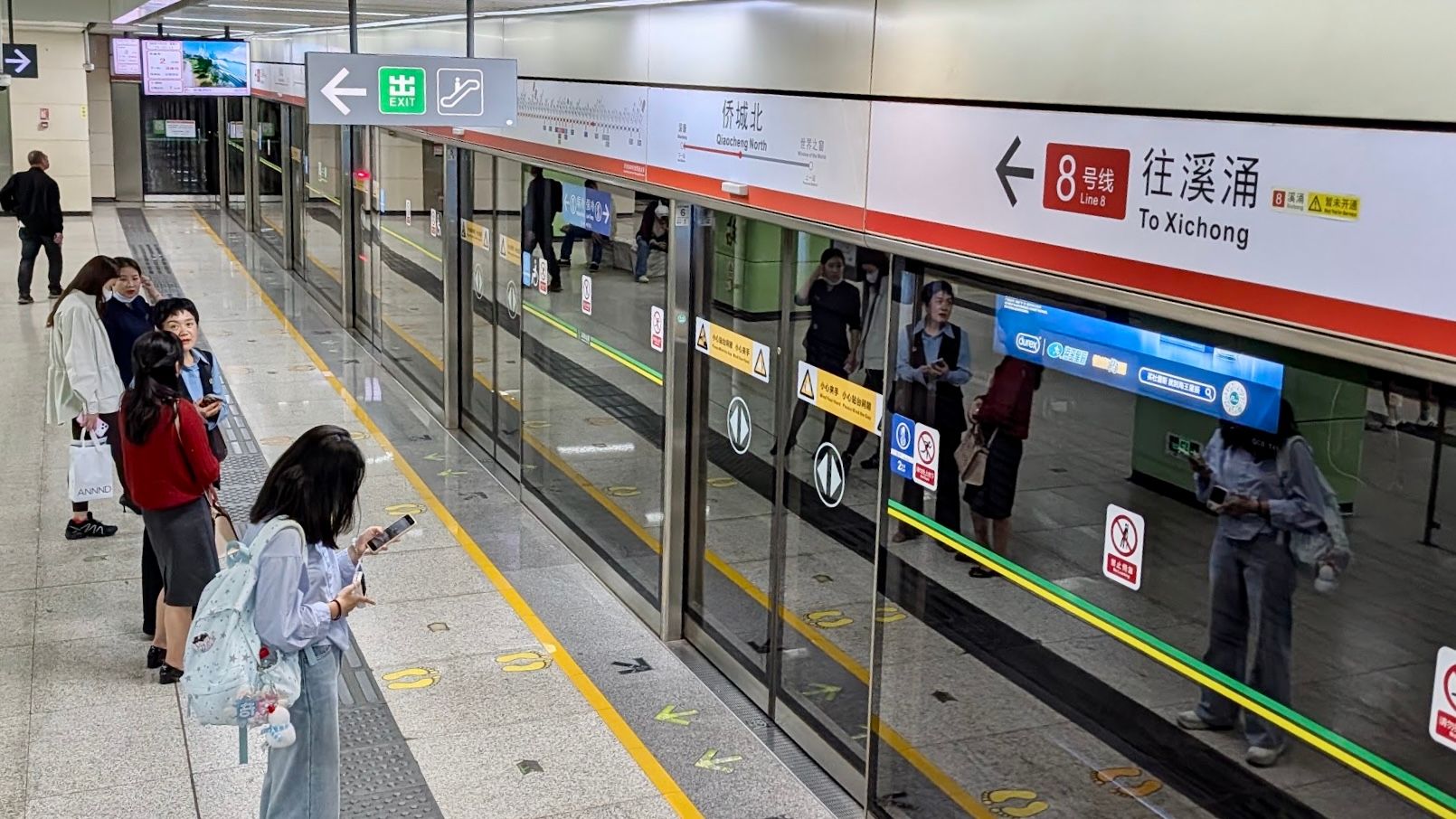
During winter in 2025, my family visited Hong Kong, our first visit since our daughter was born. As a committed environmentalist, I also couldn't help but notice how incredible the public transit was in Hong Kong and Shenzhen, and how seamlessly integrated it was into life in the whole region.
We took the bus to where my daughter’s yèh-yé (grandfather) grew up – just around the corner from Central Market, where his mother sold fish. His crowded old tenement house has long since been replaced with a shiny skyscraper complex, but the historic architecture of Central Market is as beautiful as ever.
My partner, daughter and I took the subway to near the university and saw the pale pink building where my father-in-law and his mother lived after that - still standing!
After hiking up Victoria Peak to see the beautiful city views, we delighted in the steep tram ride down. Then it was off to Shenzhen via high speed rail, where we spent a week with our friend who was in town visiting family.
The opportunity for my daughter to connect with her family heritage was so special – and getting to practice my own beginner Cantonese was a blast! But as a committed environmentalist, I noticed the public transit system in the whole region was incredible.
It wasn't just the wide variety of transit options that all seem to run every three minutes. Transit was simply the fastest, best, and most comfortable way to get around. With buses barreling continually down the street, it would be silly to take a car and search for parking instead.
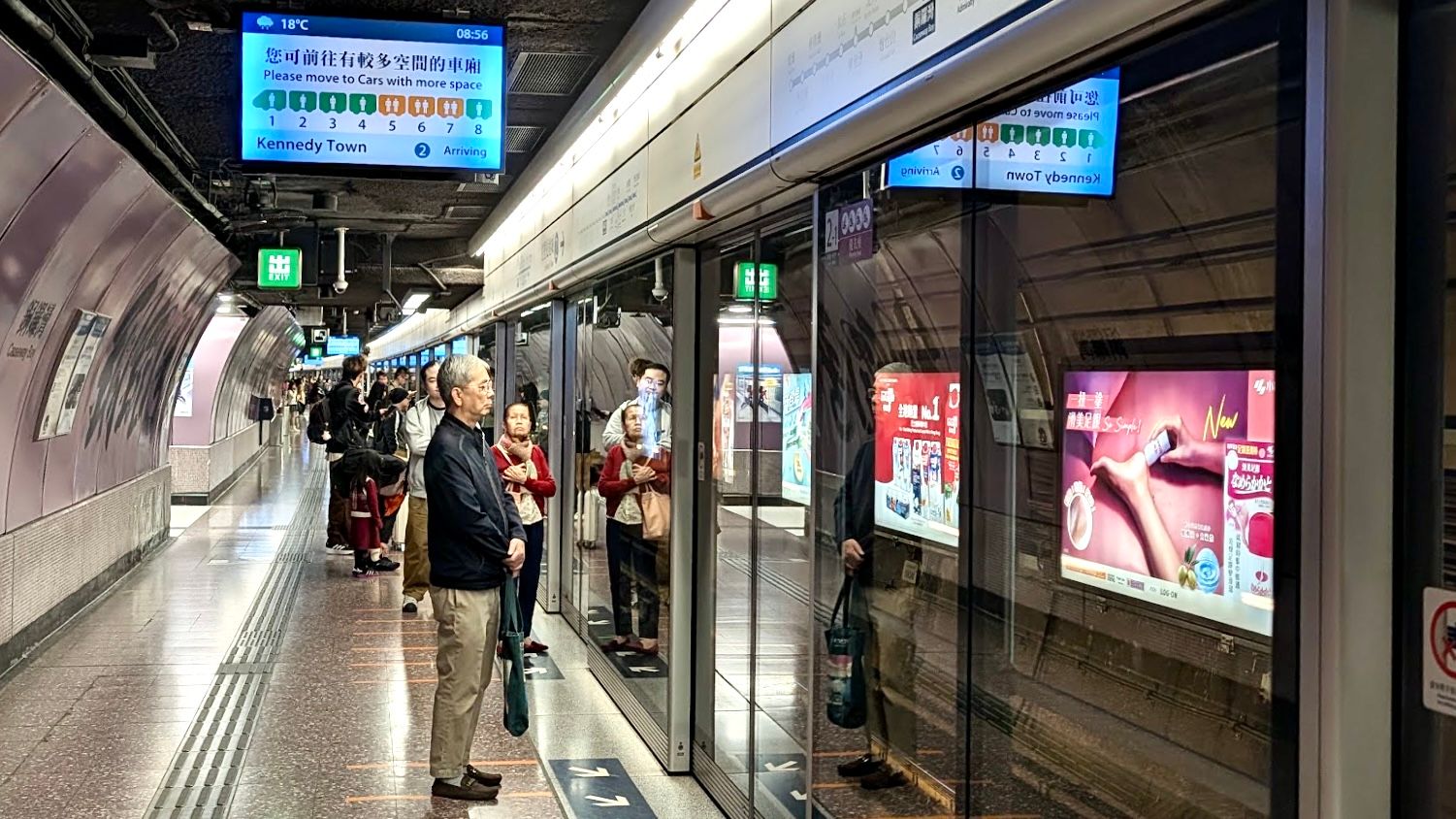
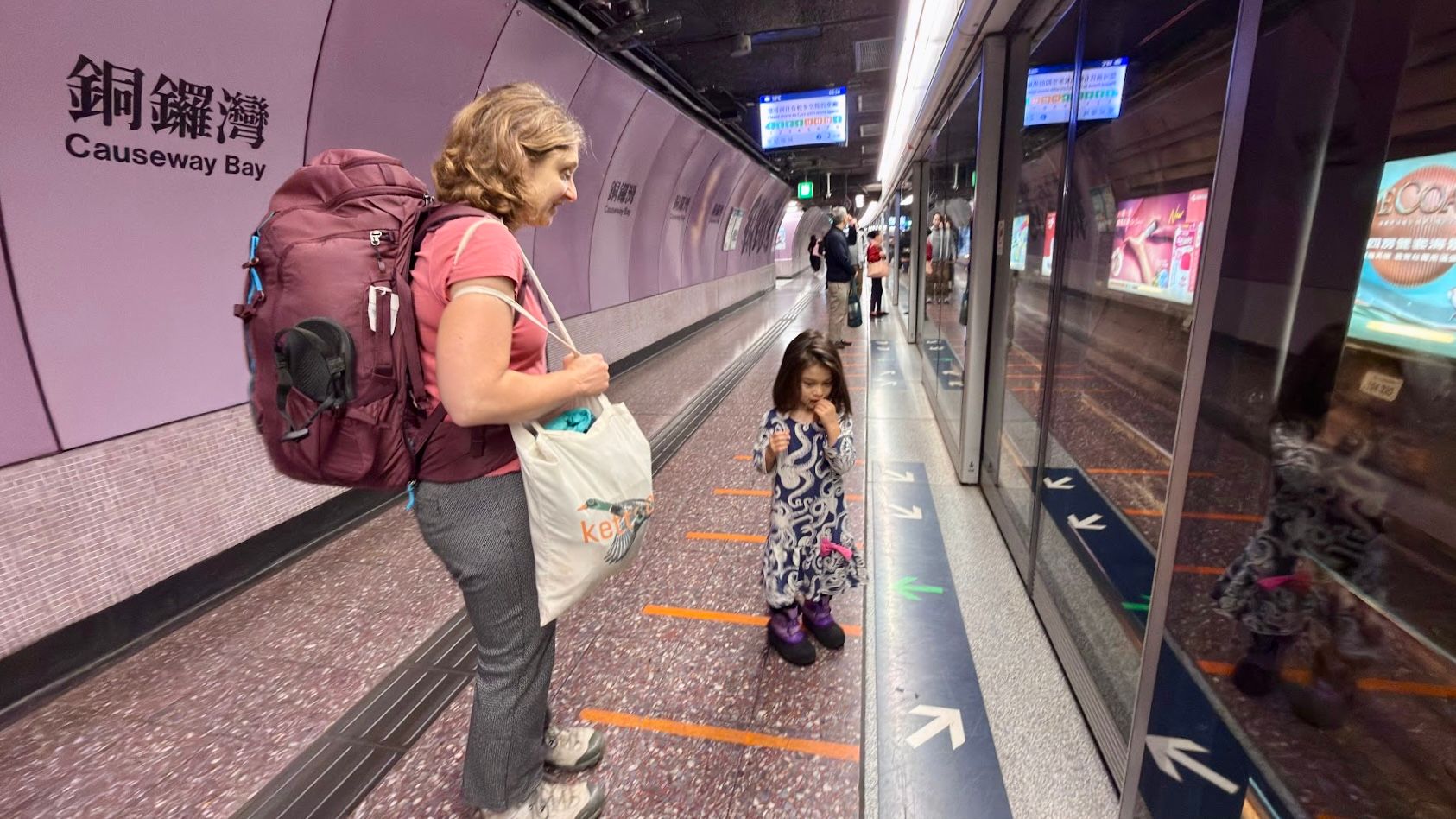
As a mom, I was shocked by the utter relaxation provided by glass doors along the subway platform – I didn't have to worry a bit about my four year old accidentally stepping off the edge. Subway signs indicate which cars are least crowded, for even more comfort.
The fast rail line to Shenzhen took what had once been a long journey and turned it into a quick jaunt. The Octopus Card – their version of Clipper – works perfectly, everywhere. Everything was spotless. And as my daughter likes to say, the tram was so much fun!!
Back here in the Bay Area, we too deserve a world-class regional transportation system. And indeed, our system is getting better bit by bit – with tap-to-pay, new BART cars, the Central Subway through Chinatown, and expanded ferry service.
But that’s not the whole story – even as our transit agencies are working to provide faster, more reliable, and more comfortable service, they are also fighting just to survive.
Our regional transit systems are facing a combined operating deficit of over $1 billion annually. Without help, essential lines like the 31 Balboa will likely be canceled. BART stations will shutter. Wait times for key bus routes like the 30, 38, and 38R are expected to double.
Yet transit needs our help not just to keep running today, but to provide a solid foundation for the transportation system of the future.
Public transportation is the backbone of the Bay Area. It connects all of us – whether we own a car or not – to jobs, healthcare, and community. It’s also one of the most important ways we can help care for our beautiful natural world, and for each other.
Transportation is our number one source of greenhouse gas emissions in the Bay Area, and toxic tire runoff pollutes our fish and waterways. Car exhaust damages the lungs of children, seniors, and other vulnerable groups the most – especially in walkable neighborhoods where many people get around by foot. Transit, by contrast, is clean, green, and efficient.
That’s why it’s essential that we support the two public transit measures that will be on our ballots this November: the 5-county Bay Area Regional Transit Measure and San Francisco Proposition H, Stronger Muni for All.
The Regional Transit Measure will authorize a half cent sales tax across the region (one cent in San Francisco) for 14 years to avert cuts and support safer, cleaner, and more convenient service.
Stronger Muni for All, Proposition H in San Francisco, will fund essential local operations through a fair, tiered parcel tax costing 95% of homeowners $129 a year, while the very largest commercial landlords pay up to $400,000.
Beyond being supported by environmental groups like the Sierra Club, both are supported by organizations ranging from Senior and Disability Action to SEIU to the Building Owners and Managers Association of San Francisco. Because strong transit builds a strong economy, strong ecosystems, and strong communities.
Let’s vote yes for clean, safe, and reliable public transit!
_____________________________________________________________________________
Joanna Gubman (高宙瀾) lives with her life partner and their daughter in San Francisco and is a member of the Sierra Club San Francisco Group Executive Committee.
- Opinion: Let’s vote yes on 5-county Bay Area regional measure and San Francisco Prop H for clean, safe, and reliable public transit!
- California leads in dedicating September 25 as annual Dolly Parton Day in honor of the American icon’s legacy of love
- Governor launches new era of CalKIDS accounts working with federal to maximize free funds for all children in California
- 5 of 10 local measures in San Francisco authored by Mayor Lurie to amend City Charter and secure funds for SFMTA
- Opinion: Vote no on Prop H — small businesses cannot pay more
- Prop G gets a second chance for San Francisco voters to decide the fate of the Upper Great Highway in the November election
- 23 parking spaces during commute hours added in Chinatown amid 3 major renovation projects
- Asian supermarkets are booming in the San Francisco Bay Area with intense industry competition