Voters in 5 counties of the San Francisco Bay Area to decide whether to raise the sales tax by 0.5% or 1% for 14 years to fund public transit

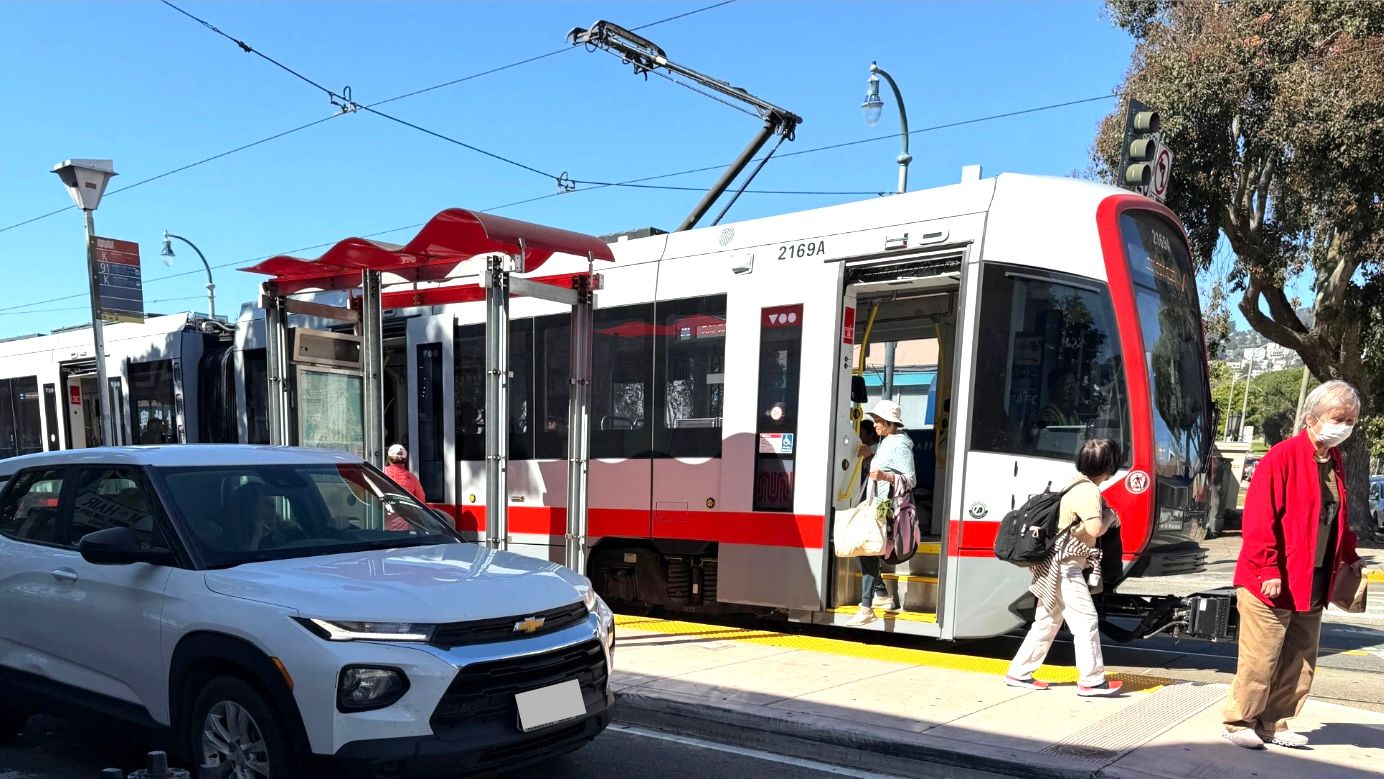
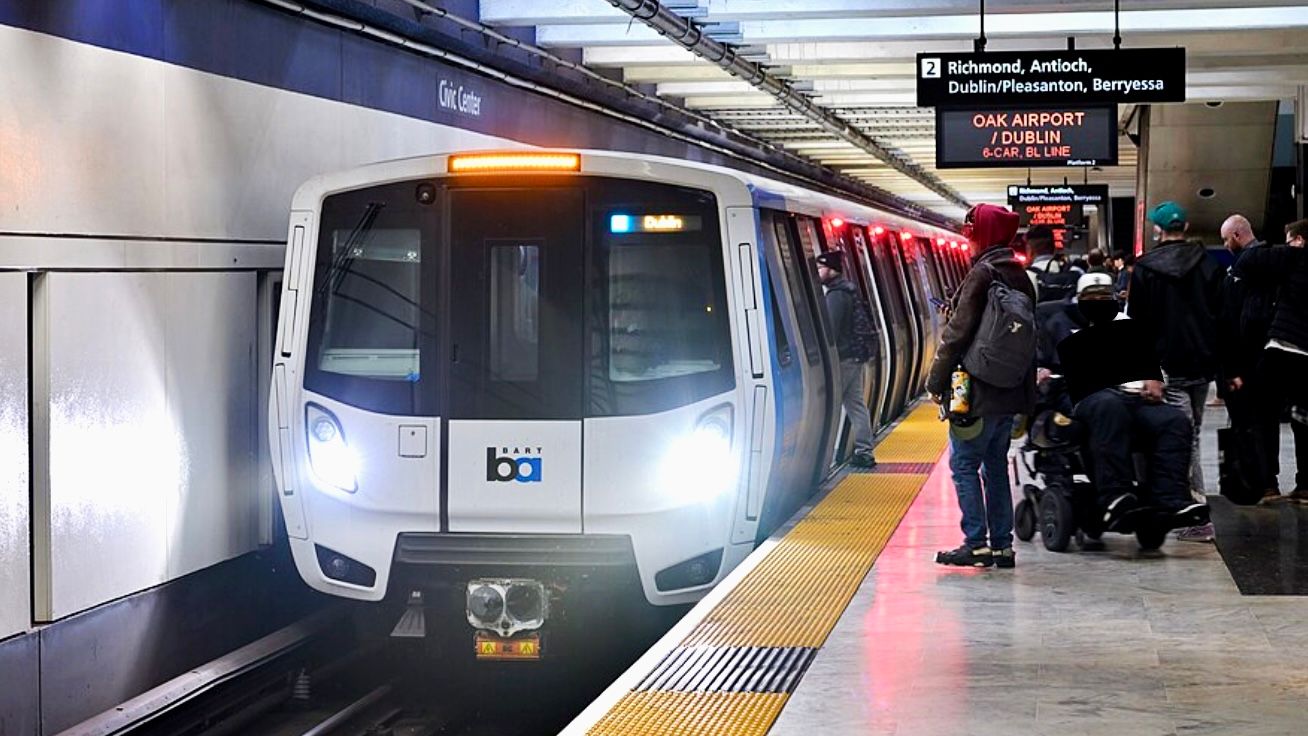
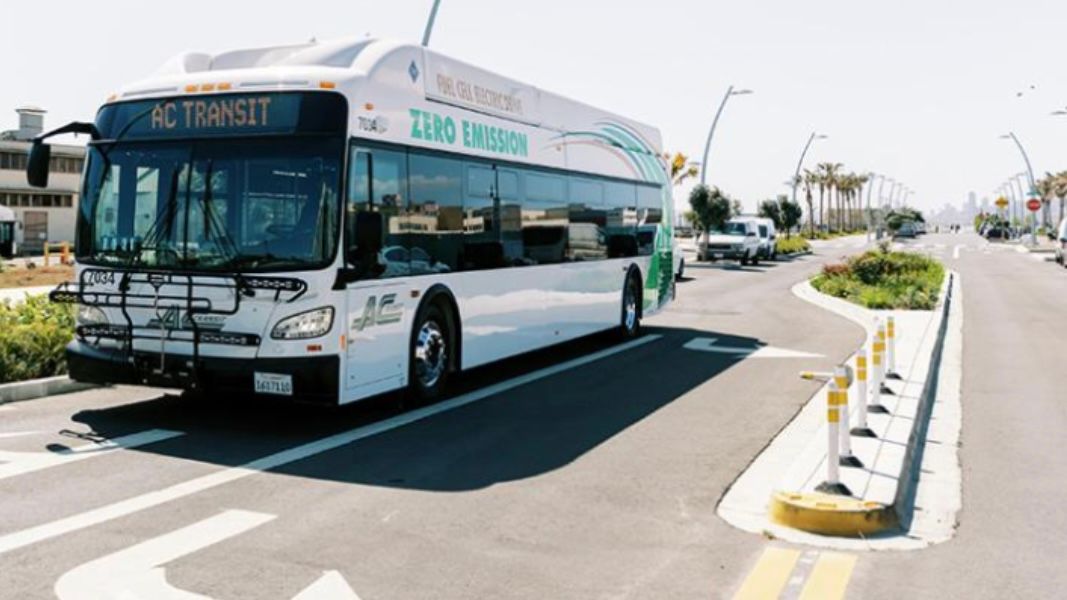
SAN FRANCISCO — In the upcoming November 3 election, voters in five San Francisco Bay Area counties will decide whether to raise their sales tax rate by 0.5% or 1% for the next 14 years to fund seven major public transit systems facing significant shortfalls in the region, including BART, Muni, Caltrain, AC Transit, Santa Clara Valley Transportation Authority, San Francisco Bay Ferry, and Golden Gate Transit.
Those five counties in the Bay Area are Alameda, Contra Costa, San Francisco, San Mateo and Santa Clara. If the Regional Transit Measure is approved by voters, the sales tax rate in San Francisco will increase by 1%; the rates in the other four counties will increase by 0.5%.
The Regional Transit Measure, which is listed on the five-county ballots, is titled the Connect Bay Area Act, stemming from Senate Bill 63 in 2025 authored by State Senators Scott Wiener (D-San Francisco) and Jesse Arreguin (D-Berkeley).
SB 63 was signed into law by Governor Gavin Newsom in 2025 to authorize a five-county sales tax measure in the San Francisco Bay Area to be placed on the November 2026 ballot. If voters approve the measure, it would enact a 14-year sales tax hike projected to raise $980 million to $1 billion per year to fund the operations of various public transit agencies serving those five counties.
Currently the sales taxes in the San Francisco Bay Area are among the highest in the entire State of California. According to the latest data, effective October 1, 2026, the highest sales tax rate in California at the county level is 10.25% in both Alameda and Los Angeles counties. The counties with the lowest sales tax rates at 7.25% span Northern, East and Southern California, including Yolo, Kern, Shasta, Sierra, and Ventura counties.
At the city level, two cities in Los Angeles County, Palmdale and Lancaster, have the highest sales tax rate in the state at 11.75%.
Among five counties in the Bay Area to have the Regional Transit Measure placed on ballots waiting for their voters to approve, the cities which currently have the highest sales tax rates in the Bay Area at 10.75% are all located in Alameda County. Those cities are Oakland, Alameda, Albany, Hayward, San Leandro and Union City.
If the Regional Transit Measure is approved by voters in the November 3 election, some cities' sales tax rates in the five counties will rise to above 11% and among the top in California.
“Connect Bay Area is a critical measure to ensure millions of Bay Area residents can get to work, school, and their loved ones quickly and conveniently for many years to come. For far too long, systems like BART, Muni, and Caltrain have lacked the stable funding so essential for world-class transit," Wiener said in a statement.
"These systems are now at risk of catastrophic service cuts that would be devastating to our city and region’s recovery, in addition to exploding traffic congestion," Wiener added. "By providing a sustainable source of long term funding, Connect Bay Area will ensure BART, Muni, and other systems will continue to provide faster and better service for many years to come, cutting transportation costs, climate emissions, and traffic for everyone in the Bay Area.”
"This measure prevents devastating service cuts and protects a system millions rely on—including me. The importance of passing this measure cannot be overstated, as strong, reliable transit helps drive the Bay Area’s role as a key economic engine for the state, cleaner air, and our efforts to fight climate change,” Arreguin said.
San Francisco Mayor Daniel Lurie endorsed the Regional Transit Measure and filed his proponent's argument with the San Francisco Department of Elections. "Without this measure, Muni could cut service by at least 30%, cancel at least 20 bus routes, end regular evening service, eliminate cable car service, and reduce fare discounts for vulnerable populations," Lurie wrote.
San Francisco Municipal Transportation Agency (SFMTA) is facing an immediate structural budget deficit of $307 million, according to the SFMTA. Without intervention and long-term funding solutions, this deficit is projected to grow to $344 million for the following fiscal year and expand to $430 million by 2030.
"The Regional Transit Measure protects public transit while requiring local transportation investments - with strong accountability and oversight that requires large transit agencies to show cost savings to continue receiving dedicated operating funding. And it doesn't tax rent, utilities, prescription medicines, or most groceries," Lurie further wrote.
In addition to endorsing the Regional Transit Measure in the upcoming November election, Lurie authored San Francisco Proposition H. He gathered signatures and successfully placed the measure on San Francisco's November 3 election ballot asking voters to approve an extra parcel tax increase in the City to fund Muni operations for 15 years. In other words, San Francisco voters will pay more sales tax and parcel tax for the SFMTA if two measures pass.
Libby Schaaf, former Mayor of Oakland and presently serving as the President and CEO of the Bay Area Council supported the regional measure and said, "Whether you ride transit or not, no one will be spared the dire impacts from the dramatic service cuts that will occur if we fail to pass the Regional Transit Measure.”
"As we continue to work on making our transit systems more fiscally sustainable and more efficient, the Regional Transit Measure provides the temporary funding needed to keep our transit and transportation systems functioning,” Schaaf said.
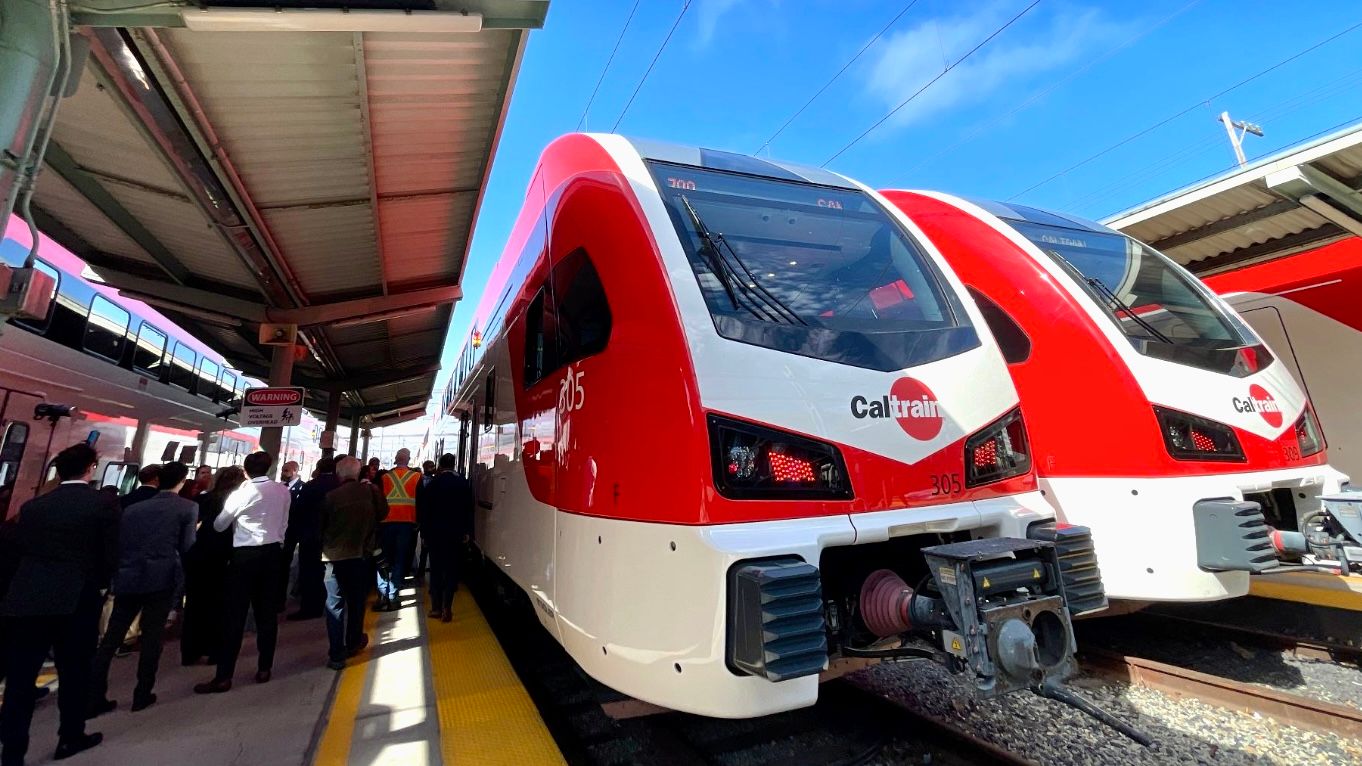
Four public transit systems will be the major recipients of the extra revenue generated from the Regional Transit Measure. The newly established Public Transit Revenue Measure District will administer the funds according to SB 63’s expenditure plan. The measure also requires a two-phase financial efficiency review of BART, Muni, Caltrain and AC Transit.
BART estimated that the approved regional transit measure would provide BART operations $310M annually beginning in fiscal year 2028. "Remote work has changed how Bay Area residents live, work, and travel," BART said it has hit BART and all other public transit systems hard.
"While millions of riders have returned to BART, they are riding less frequently, resulting in fewer trips. The Bay Area has the highest work-from-home rates in the nation and the slowest downtown recoveries and our ridership mirrors office occupancy," BART said. The situation has created an ongoing structural financial deficit of $350 million to $400 million since the pandemic and impacted BART’s long-term ability to deliver high-quality transit service.
AC Transit (Alameda-Contra Costa Transit District) has been in operation since 1960 and is the largest public bus-only system in California. Based in Oakland with facilities throughout Alameda and Contra-Costa counties, AC Transit operates a fleet of 626 buses and makes bus service available to 1.5 million East Bay residents.
"The future of AC Transit depends on decisions being made today. Without sustainable, long-term funding by December 2026, our transit district will have no choice but to reduce service beginning in June 2027," AC Transit announced.
"With a $200 million deficit looming, we must prepare now by developing an emergency Contingency Service Plan. To make the best decisions possible, we need to know which routes, schedules, and connections matter most to your daily life. Your feedback will help us focus limited resources where they will have the greatest impact," AC Transit said.
Quentin Kopp, former State Senator and currently President of the San Francisco Taxpayers Association, opposed the Regional Transit Measure. Kopp said in his filings with the San Francisco Department of Elections that the 14-year-long sales tax increase would make life in San Francisco less affordable.
“You can't trust BART, Muni, and Caltrain with more of your tax money," Kopp said BART, Muni, and Caltrain have been funded from sales taxes, property taxes, and bridge tolls every year on top of riders' fares.
"They're grossly mismanaged. BART and Muni gave pay/benefits above $250,000 to 539 and 338 employees, respectively, in 2024," Kopp said. "You shouldn't give them more money until they stop their wasteful spending."
The Committee for Affordable Bay Area Transit (CABAT) is the official campaign coalition opposing the Regional Transit Measure. "The measure would raise sales taxes by 1% in San Francisco and 0.5% in four other counties for 14 years. Before locking in $17 billion, the agencies need fixes before funding," CABAT said.
CABAT reached out to taxpayers and transit advocates across the Bay Area to demand fixes before funding. "We refuse to accept higher taxes for failing services and insist on genuine accountability before the regional transit establishment extracts over a billion dollars a year from our pockets."
"Bay Area transit already takes in roughly $6 billion a year in tax, toll and grant subsidies. This tax papers over the problem without fixing it," CABAT also criticized SB 63. "Rather than having the government place the measure on the ballot, which would require a two-thirds vote to pass, the district chose a citizens' initiative gathering signatures across five counties, which can pass with a simple majority."
- Voters in 5 counties of the San Francisco Bay Area to decide whether to raise the sales tax by 0.5% or 1% for 14 years to fund public transit
- Opinion: A voice for every community and the next generation of San Francisco
- Opinion: Let’s vote yes on 5-county Bay Area regional measure and San Francisco Prop H for clean, safe, and reliable public transit!
- California leads in dedicating September 25 as annual Dolly Parton Day in honor of the American icon’s legacy of love
- Governor launches new era of CalKIDS accounts working with federal to maximize free funds for all children in California
- 5 of 10 local measures in San Francisco authored by Mayor Lurie to amend City Charter and secure funds for SFMTA
- Opinion: Vote no on Prop H — small businesses cannot pay more
- Prop G gets a second chance for San Francisco voters to decide the fate of the Upper Great Highway in the November election